Instructions for His Generals Book Summary
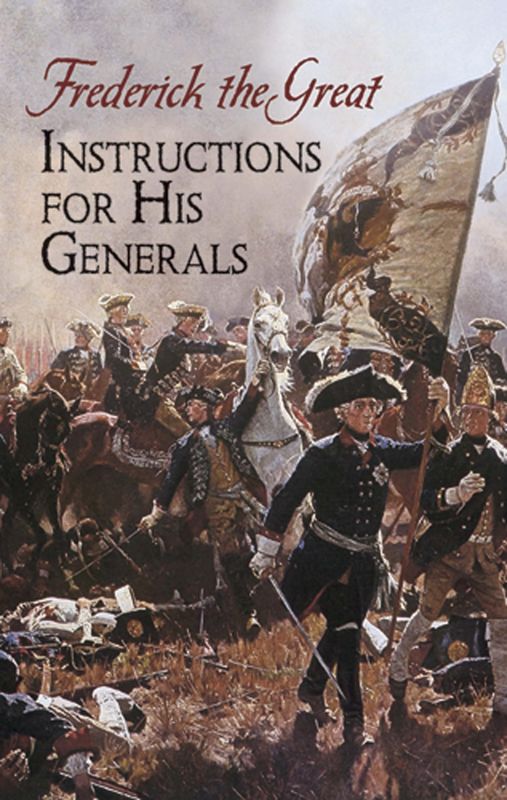
'Instructions for His Generals' offers a rare insight into the military genius of Frederick the Great as he shares his strategies and philosophies on warfare. This seminal work goes beyond mere tactics, delving into the art of leadership and the psychological aspects of commanding troops. Frederick's candid reflections reveal the complexities of war and the importance of adaptability in uncertain times. With the backdrop of 18th-century warfare, readers will discover timeless lessons that resonate even in modern contexts. A must-read for history buffs and aspiring leaders alike, this book ignites curiosity about the mind of one of history's most formidable military figures.
By Frederick the Great, Thomas R. Phillips
Published: 2012
""The world is a battlefield where strategy and resolve reign supreme; only those who think ahead can turn the tides of fate.""

Start Listening to Book Summary
Book Review of Instructions for His Generals
The king of Prussia from 1740 to 1786, Frederick the Great ranks among eighteenth-century Europe's most enlightened rulers. In addition to abolishing serfdom in his domains and promoting religious tolerance, he was an ardent patron of the arts and an accomplished musician. "Diplomacy without arms," he observed, "is like music without instruments." Frederick's expertise at military matters is reflected in his successful defense of his territory during the Seven Years' War, in which he fought all the great powers of Europe. His brilliant theories on strategy, tactics, and discipline are all explained in this vital text. "War is not an affair of chance," Frederick asserted, adding that "a great deal of knowledge, study, and meditation is necessary to conduct it well." In this book, he presents the fundamentals of warfare, discussing such timeless considerations as leadership qualities, the value of surprise, and ways to conquer an enemy who possesses superior forces. The soundness of his advice was endorsed by Napoleon himself, who once advised, "Read and re-read the campaigns of Alexander, Hannibal, Caesar . . . and Frederick. This is the only way to become a great captain and to master the secrets of the art of war."
Book Overview of Instructions for His Generals
About the Book Authors
Frederick the Great
Frederick the Great (1712-1786) was a renowned Prussian king, military leader, and an accomplished author, known for his contributions to literature, philosophy, and the arts. His notable works include 'Anti-Machiavel,' a treatise contrasting his views on governance against those of Machiavelli, and 'History of Friedrich II of Prussia,' which details his own reign and military campaigns. Frederick's writing style is characterized by clarity, directness, and a deep engagement with Enlightenment ideals, reflecting his belief in rationalism and the importance of leadership. As a patron of the arts, he fostered a vibrant cultural environment, influencing both his contemporaries and future generations.
Thomas R. Phillips
Thomas R. Phillips is an acclaimed author known for his thought-provoking novels and engaging storytelling. His notable works include the bestselling titles 'The Silent Echo,' 'Whispers of the Past,' and 'Beyond the Horizon.' Phillips' writing style is characterized by its vivid imagery and intricate character development, often exploring themes of human resilience and the complexities of relationships. With a background in literature and creative writing, he has captivated readers worldwide and received several awards for his contributions to contemporary fiction.
Book Details
Key information about the book.
- Authors
- Frederick the Great, Thomas R. Phillips
- Published
- February 2012
- Publisher
- Courier Corporation
- ISBN
- 0486444031
- Language
- English
- Pages
- 114
- Genres
- HistoryMilitary HistoryLeadership TheoriesPolitics and Current Affairs
Purchase Options
 Buy on Amazon
 Buy via BookShop
Support local bookstores: BookShop gives a portion of each sale to independent bookshops!
Similar books you might like →
Mastery Book Summary
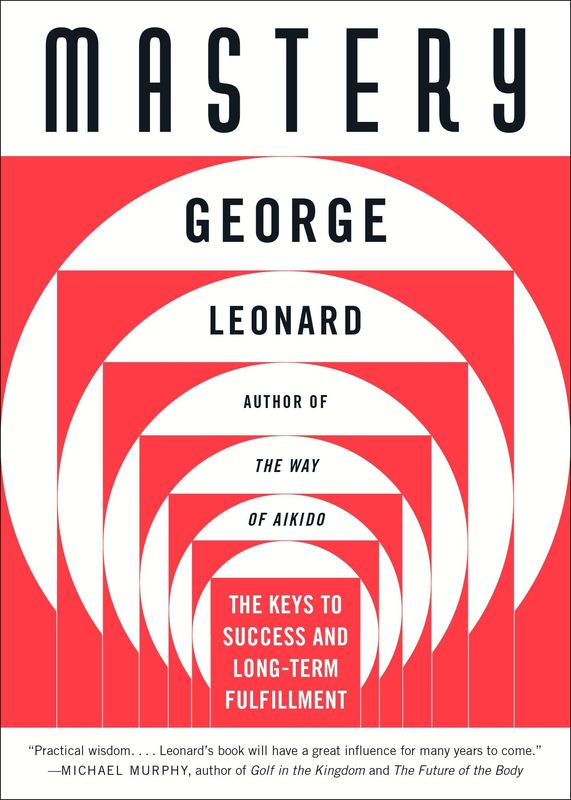
In 'Mastery', George Leonard unveils the secrets of achieving excellence through a lifelong commitment to personal development and the pursuit of mastery. With profound insights into the importance of practice and persistence, he encourages readers to embrace the journey rather than fixate solely on the end goal. Leonard draws on examples from various fields, illustrating how anyone can transform their passions into mastery with dedication and a growth mindset. This compelling read inspires self-reflection and challenges the reader to consider their own path to mastery. Are you ready to uncover the principles that can elevate your life to new heights?
Churchill Book Summary
In 'Churchill', Clive Ponting delves into the tumultuous life of one of history's most iconic figures. The biography unravels Churchill's complex personality, revealing the blend of genius, ambition, and controversy that characterized his reign. With gripping anecdotes and detailed analyses, Ponting challenges traditional portrayals and invites readers to reconsider Churchill's legacy. Discover the man behind the myth as you explore his leadership during war and his influence on modern politics. This compelling narrative promises a fresh perspective that will leave you eager to learn more about this enigmatic leader.

Expulsion of the Palestinians Book Summary
No summary available
Insanely Simple Book Summary
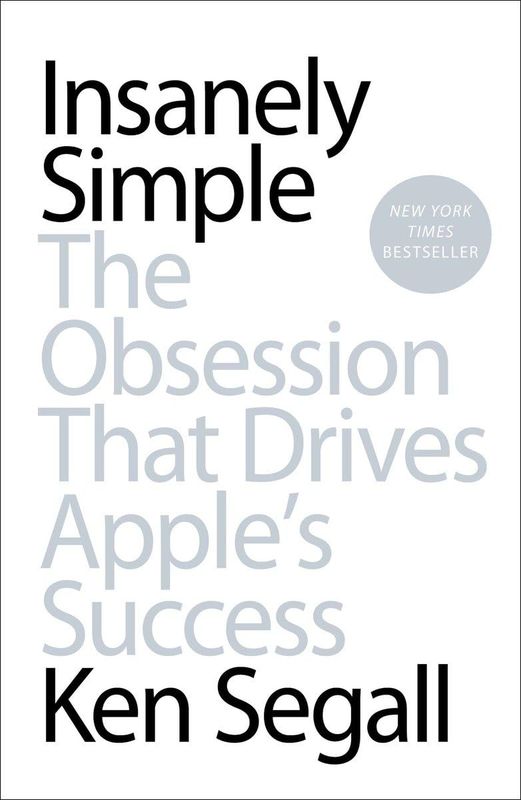
In 'Insanely Simple', Ken Segall unveils the secrets behind Apple's remarkable success through a philosophy of simplicity. He reveals how legendary figures like Steve Jobs championed clear and focused strategies to foster innovation and product excellence. Segall's insights illustrate the power of simplicity not just in design, but in communication and corporate culture. Readers will discover how eliminating complexity can lead to extraordinary outcomes in business and life. Are you ready to simplify your approach and unleash your potential?
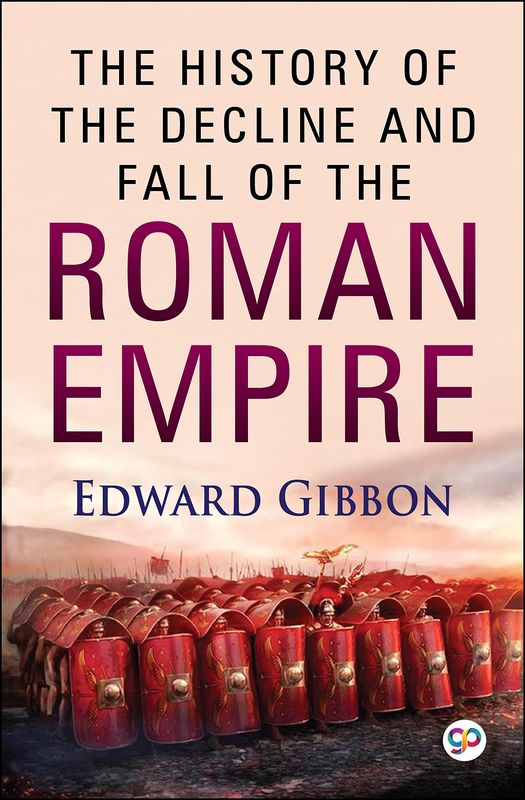
The History of the Decline & Fall of the Roman Empire Book Summary
In 'The History of the Decline & Fall of the Roman Empire,' Edward Gibbon meticulously chronicles the mighty empire's descent into chaos and obscurity. With eloquent prose, Gibbon unveils the interplay of political intrigue, moral decay, and military defeats that eroded Rome's power. His analysis does not merely recount events but delves into the philosophical implications of decline and the lessons for future societies. As empires rise and fall, engage with the timeless questions Gibbon poses about civilization itself. Dive into this monumental work to understand how history shapes our present and future.
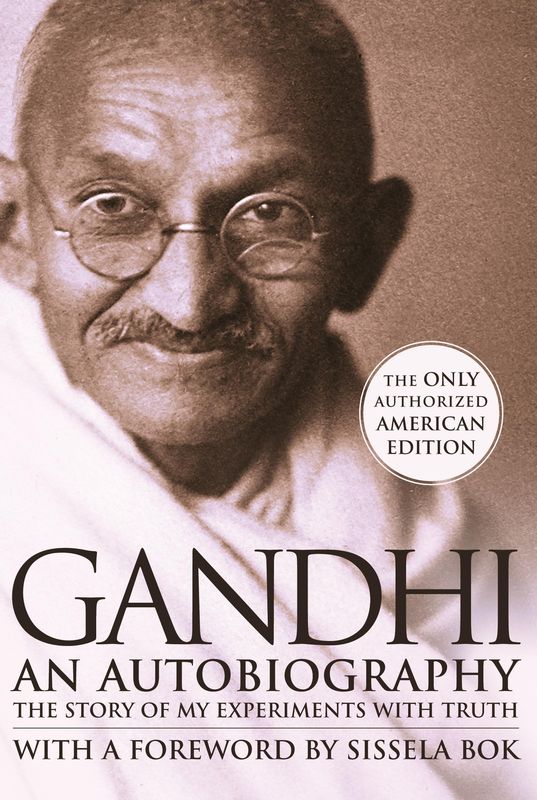
An Autobiography Book Summary
In 'An Autobiography', Mohandas K. Gandhi shares the remarkable journey of his life, revealing the evolution of his philosophy of non-violence and truth. From his early years in India to his transformative experiences in South Africa, Gandhi exposes the struggles that shaped his commitment to social justice. His candid reflections on faith, morality, and personal growth challenge conventional beliefs and inspire readers to question their own values. This gripping narrative not only details his political activism but also provides an intimate look at his family life and spiritual pursuits. Discover the profound insights that guided one of history's most influential leaders in his quest for freedom and equality.

The Fighter's Mind Book Summary
In 'The Fighter's Mind,' Sam Sheridan delves into the psychology that fuels some of the world's most effective fighters. Through captivating interviews and immersive experiences, he uncovers the mental frameworks behind their tenacity and triumph. From the intense training regimens to the pulse-pounding moments in the ring, this book explores what it takes to succeed when the stakes are highest. With insights from legendary athletes and trainers, readers are invited into a world where grit meets strategy. Are you ready to unlock the secrets of a champion's mindset?
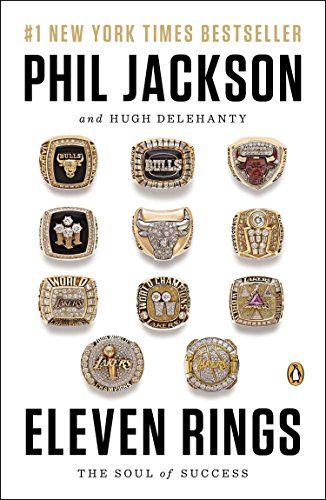
Eleven Rings Book Summary
In 'Eleven Rings', Phil Jackson, legendary NBA coach, takes readers on an incredible journey through his basketball career and the philosophies that led him to win eleven championships with the Chicago Bulls and Los Angeles Lakers. With deep insights into the art of leadership and team dynamics, Jackson reveals the importance of mindfulness, spirituality, and connection in achieving greatness. Each ring tells a story of triumph, adversity, and the unique personalities that shaped these historic teams. Drawing from Eastern philosophies and his own experiences, Jackson challenges the traditional approaches to coaching and success. This memoir isn't just a chronicle of victories; it's a profound reflection on the deeper meanings of teamwork, resilience, and the pursuit of excellence.
Showing 8 of 26 similar books
Take your reading experience to the next level
Download our mobile app to enjoy your favorite books on the go. Get access to exclusive features, offline listening, and personalized recommendations.

Similar Book Recommendations →

Alex Lieberman's Book Recommendations
Alex Lieberman is the co-founder and executive chairman of Morning Brew, a media company that delivers engaging business news. Under his leadership, Morning Brew has grown to reach millions of subscribers, becoming a significant player in modern business journalism. Lieberman is also known for his insightful commentary on entrepreneurship and media trends. His work has significantly influenced the way business news is consumed by younger audiences. Beyond Morning Brew, Lieberman frequently writes and speaks about the intersection of media and technology, further cementing his role as a thought leader in the industry.

Alex Honnold's Book Recommendations
Alex Honnold is an American professional rock climber, best known for his free solo ascent of El Capitan in Yosemite National Park, a feat that was documented in the Oscar-winning film Free Solo. Honnold is renowned for his mental toughness, technical skill, and ability to climb without ropes or safety equipment. His accomplishments have made him a legend in the climbing world, and he continues to push the boundaries of the sport. Outside of climbing, Honnold is a philanthropist, founding the Honnold Foundation, which supports environmental sustainability projects, particularly in solar energy.

Barack Obama's Book Recommendations
Barack Obama is the 44th President of the United States, serving from 2009 to 2017. As the first African American president, Obama’s leadership marked a historic moment in American history. His administration focused on healthcare reform, economic recovery from the Great Recession, and environmental policies. He is best known for the Affordable Care Act, as well as his efforts to expand civil rights and restore diplomatic relations with Cuba. Since leaving office, Obama has continued to engage in public life through his foundation, focusing on leadership development, civic engagement, and global issues.

Morgan Housel's Book Recommendations
Morgan Housel is a financial writer and partner at The Collaborative Fund, best known for his book The Psychology of Money. His work explores the behavioral side of finance, emphasizing how emotions, history, and decision-making impact wealth-building. Housel’s writing is widely praised for being accessible, insightful, and engaging, making complex financial topics easier to understand. He contributes regularly to financial publications and speaks at conferences on the power of long-term thinking in finance. His book has become a modern classic in the personal finance genre.

Jocko Willink's Book Recommendations
Jocko Willink is a retired Navy SEAL officer, renowned for his leadership during the Battle of Ramadi in the Iraq War, which earned him the Silver Star and Bronze Star. Transitioning from military service, he co-authored the best-selling book "Extreme Ownership: How U.S. Navy SEALs Lead and Win" with fellow SEAL Leif Babin, which has become a cornerstone in leadership and management literature. Willink has also written the "Way of the Warrior Kid" series, aimed at empowering young readers with principles of discipline and resilience. Additionally, he hosts the popular "Jocko Podcast," where he discusses leadership, discipline, and personal development. Willink's influence extends beyond literature through his Echelon Front leadership consultancy, helping organizations implement effective leadership strategies.

Reid Hoffman's Book Recommendations
Reid Hoffman is an influential American entrepreneur, venture capitalist, and author, best known as the co-founder of LinkedIn, the professional networking platform that transformed online professional interactions. Hoffman has significantly impacted the business world through his investments in notable tech companies like Airbnb, Facebook, and Zynga. As an author, he has co-written several acclaimed books, including "The Start-Up of You" and "Blitzscaling," which provide strategic insights into career development and business growth. His works are celebrated for their practical advice and have become essential reading for aspiring entrepreneurs and business leaders. Hoffman's contributions extend beyond his literary efforts, as he remains a prominent figure in Silicon Valley, shaping the future of technology and innovation.
Sam Altman's Book Recommendations
Sam Altman is an American entrepreneur, programmer, and investor, best known as the former president of Y Combinator, a startup accelerator that has launched numerous successful companies, including Airbnb, Dropbox, and Reddit. Altman himself is a co-founder of OpenAI, an organization focused on ensuring that artificial intelligence benefits all of humanity. He has been a leading voice in the tech world, advocating for responsible innovation and the ethical use of AI. Under his leadership, Y Combinator grew into one of the most influential organizations in Silicon Valley, helping to fund and mentor early-stage startups. Altman’s blog and writings are widely read in the tech community, where he shares his insights on entrepreneurship, technology, and the future of AI. He has also been involved in several philanthropic ventures and continues to influence the tech world through his investments and thought leadership. His work at OpenAI has put him at the forefront of discussions about the future of artificial intelligence.
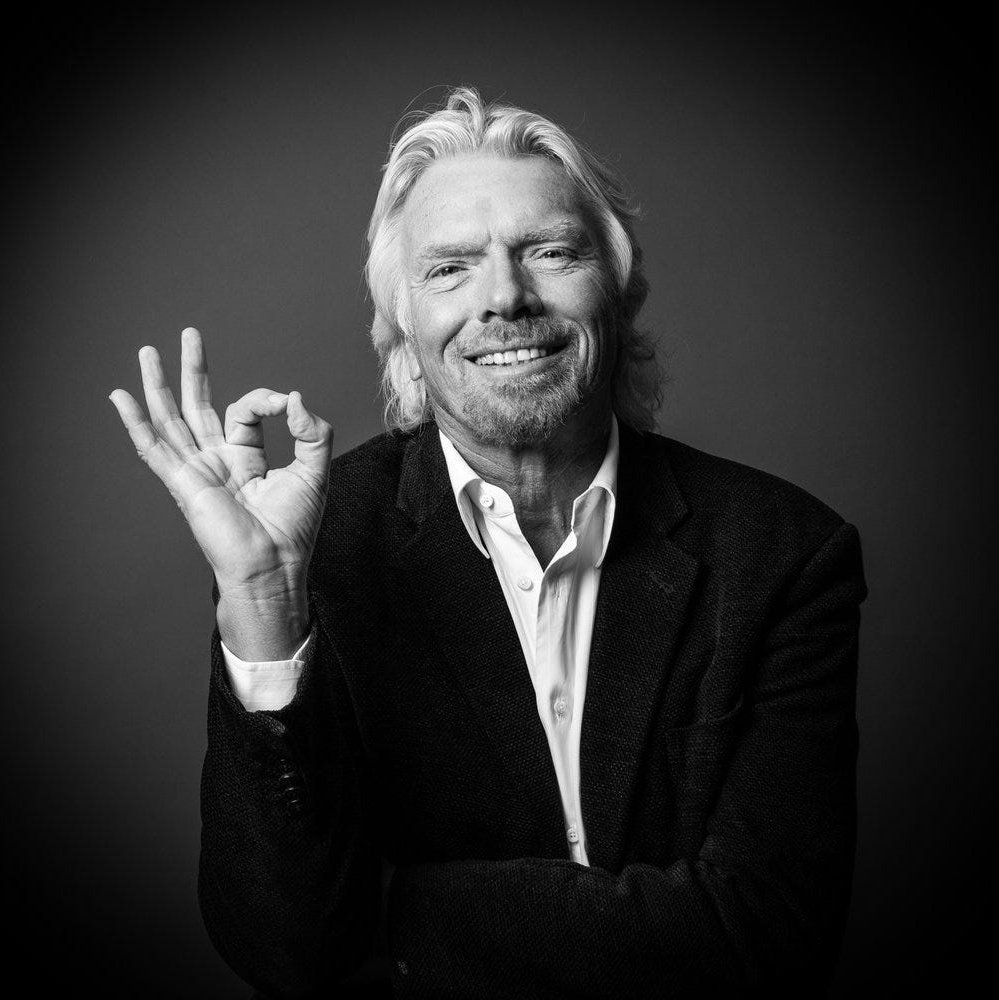
Richard Branson's Book Recommendations
Richard Branson is a British entrepreneur and founder of the Virgin Group, which operates in sectors ranging from airlines to space travel. Branson’s entrepreneurial journey began in the 1970s with Virgin Records, and he has since built one of the most recognized brands in the world. Known for his adventurous spirit and willingness to take risks, Branson has pursued innovative ventures like Virgin Galactic, aiming to pioneer commercial space tourism. He is also a philanthropist, focusing on environmental sustainability and global health issues. Branson's bold and unconventional approach to business has made him a global icon of entrepreneurship.
Showing 8 of 16 related collections
“"The world is a battlefield where strategy and resolve reign supreme; only those who think ahead can turn the tides of fate."”
Instructions for His Generals
By Frederick the Great, Thomas R. Phillips
Frequently Asked Questions
Explore Our Catalogue
Discover a world of knowledge through our extensive collection of book summaries.
Genres
Genres
Genres
Featured Collections
- Top Book Club Picks
- One-Stop Nutrition
- Summer Reads 2024
- Best Beach Reads 2024
- Work-Life Balance Guide
- Time Management
- Healthy Foods
- Entrepreneur Toolkit
- Mind & Body Wellness
- Future Tech Insights
- Leadership Essentials
- Financial Freedom
- Sci-Fi Masterpieces
- Parenting 101
- Books That Became Blockbusters
- Guide to a Healthy Pregnancy