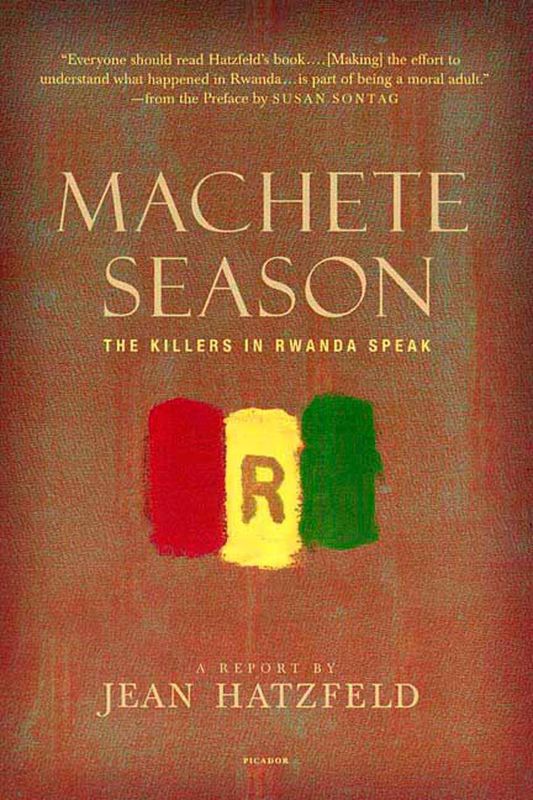

In 'Machete Season', Jean Hatzfeld delves into the harrowing aftermath of the Rwandan genocide through chilling interviews with perpetrators. The book reveals the chilling mentality that transformed ordinary men into fearsome killers, as they recount their gruesome actions with haunting normalcy. As Hatzfeld gives voice to these individuals, readers grapple with the unsettling questions of morality, guilt, and humanity. The juxtaposition of horror and banality forces us to confront the dark capacity within us all. This powerful narrative leaves an indelible mark, challenging our understanding of evil and forgiveness.
By Jean Hatzfeld
Published: 2005
"The echoes of our choices resonate far beyond the moment, shaping not only our lives but the very fabric of humanity."
A veteran foreign correspondent shares a collection of interviews with ten Hutu men--all tried, convicted, and sentenced for the genocidal killings of their Tutsi neighbors--as they describe their participation in the heinous crimes and their reasons for the murders, in a study that considers the roots of human morality and ethics. Reprint. 25,000 first printing.
Showing 8 of 28 similar books
Lex Fridman is an artificial intelligence researcher, podcaster, and MIT professor, known for his work in autonomous vehicles, robotics, and deep learning. Fridman has gained widespread popularity through his podcast, Lex Fridman Podcast, where he interviews leading thinkers in science, technology, and philosophy, exploring topics like AI, consciousness, and the future of humanity. His academic work focuses on human-centered AI, aiming to create machines that can better understand and interact with humans. Fridman’s ability to distill complex topics into accessible conversations has earned him a large following, and his podcast is known for its thoughtful, in-depth discussions with some of the brightest minds of our time. He is also an advocate for the responsible development of AI, emphasizing the ethical implications of this rapidly advancing technology. Outside of academia and podcasting, Fridman is a practitioner of jiu-jitsu and frequently speaks about the importance of discipline and continuous learning.
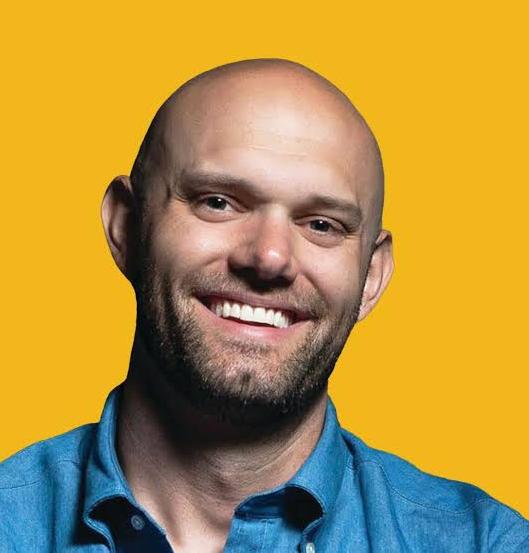
James Clear is the author of the bestselling book Atomic Habits, which focuses on the power of small habits and incremental improvements to achieve significant personal and professional growth. Clear’s writing blends insights from psychology, neuroscience, and productivity to provide practical strategies for building better habits. His work has helped millions of people create positive changes in their lives by focusing on the process rather than the outcome. James’s clear, actionable advice has made him a sought-after speaker and thought leader in the field of personal development.
Barack Obama is the 44th President of the United States, serving from 2009 to 2017. As the first African American president, Obama’s leadership marked a historic moment in American history. His administration focused on healthcare reform, economic recovery from the Great Recession, and environmental policies. He is best known for the Affordable Care Act, as well as his efforts to expand civil rights and restore diplomatic relations with Cuba. Since leaving office, Obama has continued to engage in public life through his foundation, focusing on leadership development, civic engagement, and global issues.
Michael Pollan is a renowned American author and journalist, celebrated for his insightful explorations of food, agriculture, and human culture. His groundbreaking book, "The Omnivore's Dilemma," published in 2006, critically examines the complexities of the modern food industry and has become a seminal work in food studies. Pollan's engaging narrative style and thorough research have earned him a place on The New York Times Best Seller list multiple times. In addition to his literary contributions, he is also a professor of journalism at the University of California, Berkeley. Pollan's work continues to influence public discourse on sustainable eating and the ethical implications of food choices.
David Heinemeier Hansson, also known as DHH, is a Danish programmer, entrepreneur, and author, best known as the creator of Ruby on Rails, a popular web application framework. Heinemeier Hansson is also a partner at Basecamp, a project management and collaboration software company he co-founded. His contributions to software development have earned him widespread recognition, with Ruby on Rails being used by thousands of developers and companies worldwide. Heinemeier Hansson is also a vocal advocate for remote work, simplicity in business, and sustainable work practices, ideas he explores in his bestselling books Rework and It Doesn’t Have to Be Crazy at Work. In addition to his work in tech, he is an accomplished race car driver, having competed in the 24 Hours of Le Mans. Heinemeier Hansson’s approach to work-life balance and entrepreneurship has made him a thought leader in the tech community, where he continues to challenge traditional business practices and advocate for more human-centered approaches to work
Jocko Willink is a retired Navy SEAL officer, renowned for his leadership during the Battle of Ramadi in the Iraq War, which earned him the Silver Star and Bronze Star. Transitioning from military service, he co-authored the best-selling book "Extreme Ownership: How U.S. Navy SEALs Lead and Win" with fellow SEAL Leif Babin, which has become a cornerstone in leadership and management literature. Willink has also written the "Way of the Warrior Kid" series, aimed at empowering young readers with principles of discipline and resilience. Additionally, he hosts the popular "Jocko Podcast," where he discusses leadership, discipline, and personal development. Willink's influence extends beyond literature through his Echelon Front leadership consultancy, helping organizations implement effective leadership strategies.
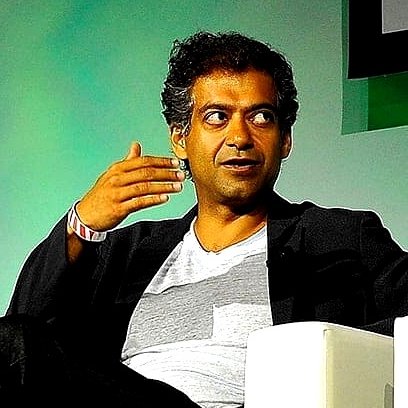
Naval Ravikant is an entrepreneur, angel investor, and philosopher, best known as the co-founder of AngelList, a platform that connects startups with investors. Ravikant is a prolific thinker and writer on topics such as startups, investing, and personal well-being, sharing his wisdom through essays, podcasts, and social media. He has invested in over 100 companies, including Uber, Twitter, and Yammer, making him one of Silicon Valley’s most successful angel investors. Ravikant is also known for his philosophical musings on wealth, happiness, and the meaning of life, which have garnered him a large and dedicated following.
Ray Dalio is the founder of Bridgewater Associates, one of the largest and most successful hedge funds in the world. He is also the author of the bestselling book Principles, where he outlines his philosophy on life, leadership, and investing. Ray is renowned for his unique approach to transparency, radical truth, and thoughtful disagreement within organizations. His insights into economics and investing have made him one of the most influential figures in the financial world. Dalio continues to be a thought leader in business, economics, and philanthropy.
Showing 8 of 11 related collections
“The echoes of our choices resonate far beyond the moment, shaping not only our lives but the very fabric of humanity.”
Machete Season
By Jean Hatzfeld
Discover a world of knowledge through our extensive collection of book summaries.
Jean Hatzfeld is a renowned French author and journalist best known for his poignant explorations of the human condition, particularly in the context of conflict and atrocity. With a distinctive writing style that combines lyrical prose with stark realism, Hatzfeld's works often focus on the aftermath of the Rwandan genocide, drawing on the voices of survivors and the complexities of memory and trauma. Notable works include 'Machete Season: The Killers in Rwanda Speak' and 'The Antelope's Strategy: Living in Rwanda After the Genocide,' where he presents a haunting reflection on resilience and the impacts of violence. His profound insights and empathetic storytelling have garnered critical acclaim and have made significant contributions to contemporary literature on war and humanity.
Key information about the book.
 Buy on Amazon
 Buy via BookShop
Support local bookstores: BookShop gives a portion of each sale to independent bookshops!
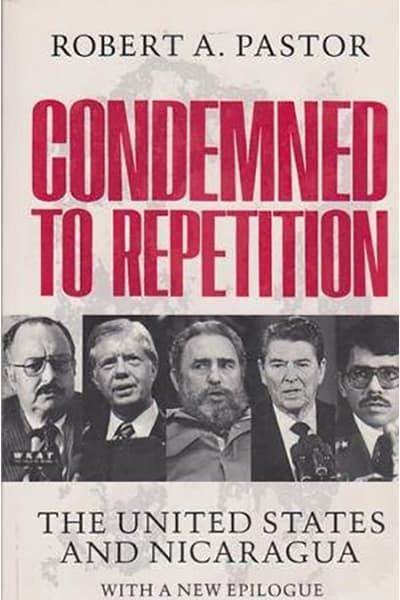
In 'Condemned to Repetition,' Robert A. Pastor explores the intricate web of U.S.-Latin American relations, unveiling a pattern of historical interventions that continues to shape modern dynamics. With a keen eye for detail, Pastor argues that past mistakes are often repeated, compelling readers to reflect on the cyclical nature of diplomacy. Through vivid storytelling and critical analysis, he reveals how these actions have led to disenchantment and unrest in the region. This thought-provoking work encourages a reevaluation of foreign policy and its far-reaching impacts. Will the U.S. break the cycle of repetition, or is it doomed to repeat its history?

"Reagan Versus The Sandinistas" delves into the intense political battle between the Reagan administration and the Sandinista government in Nicaragua during the 1980s. This gripping narrative uncovers the complexities of U.S. foreign policy and its implications for Latin America, revealing both covert actions and public confrontations. With a wealth of archival research, the authors illuminate the motivations behind Reagan's attempts to undermine leftist movements and support rebels. Through vivid accounts and firsthand testimonies, the book showcases the human stories behind the geopolitical chess game. Readers will find themselves questioning the ethical boundaries of political intervention and its lasting impact on a region caught in the crossfire.

In 'A Beginner's Guide to the End,' BJ Miller and Shoshana Berger tackle the often-ignored subject of death with compassion and humor. They blend personal stories, expert insights, and practical advice to help readers navigate the end of life with dignity and grace. This book is a gentle yet empowering exploration of mortality, challenging societal taboos and encouraging open conversations. Perfect for those seeking to embrace life fully, it equips readers with the tools to approach death as a natural part of the human experience. Discover how to make the most of every moment, no matter where you are on the journey.
In 'The Sacred Mushroom and the Cross,' John Marco Allegro proposes a groundbreaking theory that Christian symbols and beliefs are rooted in ancient mushroom cults. Allegro, a philologist and one of the original Dead Sea Scrolls scholars, challenges conventional religious narratives, suggesting that the story of Christ may be deeply intertwined with psychedelic experiences. His provocative insights invite readers to reconsider the origins of spirituality and the nature of consciousness. As he delves into linguistics, archaeology, and anthropology, Allegro presents a compelling case that could shake the foundations of traditional faith. This book is a thought-provoking exploration that blurs the lines between religion, mythology, and the quest for enlightenment.
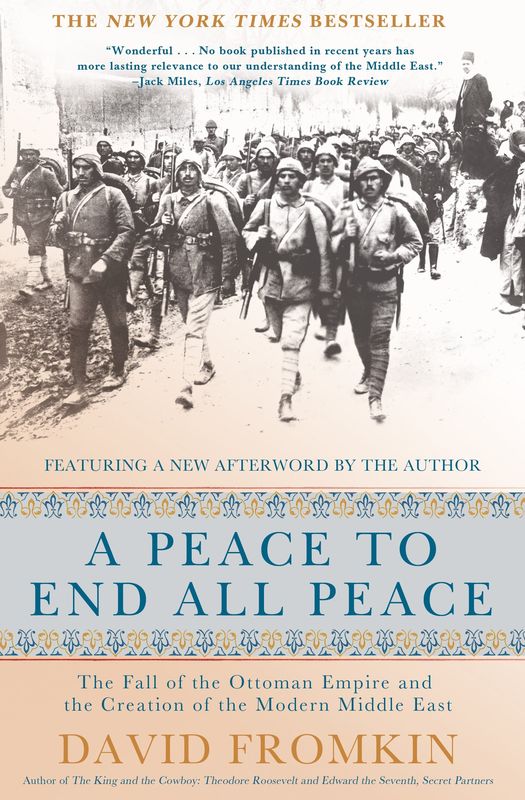
In 'A Peace to End All Peace', David Fromkin unravels the intricate web of events that led to the creation of the modern Middle East after World War I. With compelling narratives, Fromkin reveals how the decisions made by imperial powers set the stage for decades of conflict. This historical analysis not only highlights the reckless diplomacy of the time but also exposes the enduring consequences of these choices on today's geopolitical landscape. As tensions rise in the region, the book prompts readers to ponder: can any lasting peace ever truly emerge from such a fractured legacy? Dive into this thought-provoking exploration of history, power, and the quest for stability in a tumultuous world.
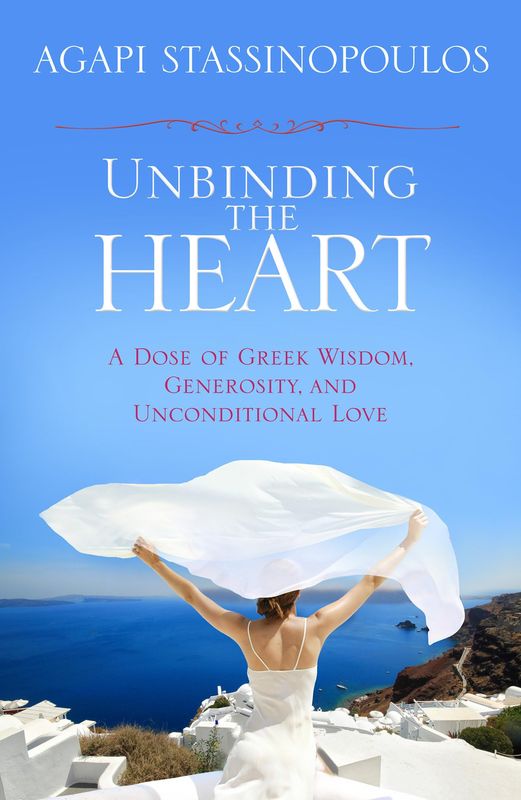
In 'Unbinding the Heart,' Agapi Stassinopoulos invites readers on a transformative journey to rediscover their true selves through the power of love and vulnerability. With rich storytelling and heartfelt insights, Agapi shares personal anecdotes that inspire a deep emotional connection. Each chapter unveils practical wisdom and exercises designed to help break free from fear and ignite passion. The book emphasizes the importance of authentic connections and sees the heart as a source of unending strength. Prepare to be moved and inspired to unleash the boundless possibilities within.
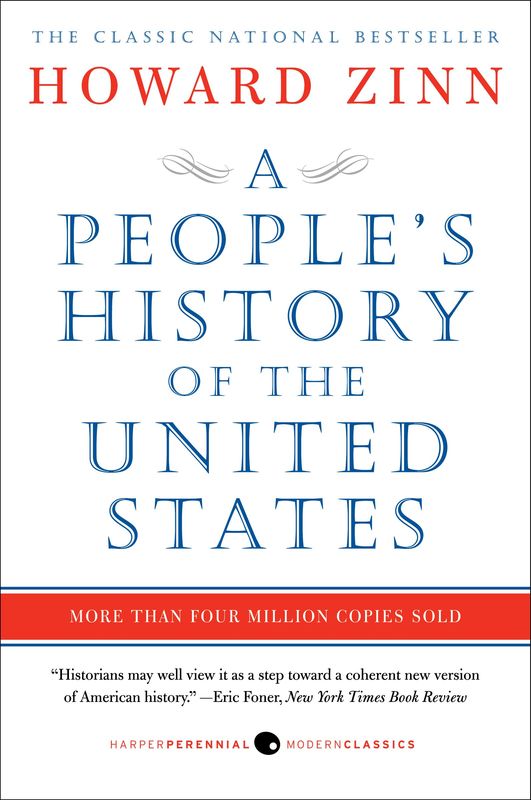
In 'A People's History of the United States,' Howard Zinn redefines the American narrative by focusing on the experiences and struggles of marginalized groups throughout history. This provocative work unveils the hidden stories of Native Americans, slaves, women, and others who have been silenced in traditional historical accounts. Zinn challenges the reader to rethink the very foundations of American society and its values, highlighting the continuous fight for justice and equality. As he dives into pivotal moments where ordinary people stood against power, the book raises questions about who writes history and whose voices are heard. A compelling call to recognize the past in order to inform the future, it leaves readers hungry for deeper truths about the American experience.
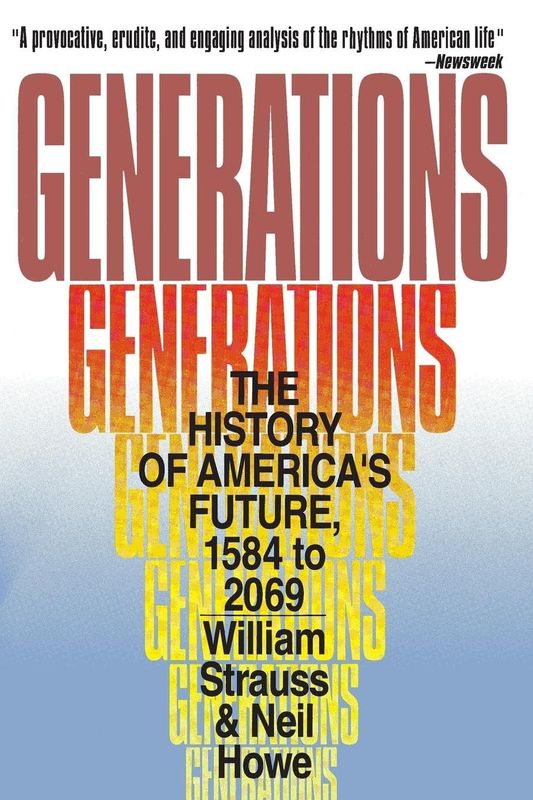
In 'Generations', Neil Howe and William Strauss explore the cyclical patterns of history as driven by generational dynamics. They categorize generations into archetypes, revealing how each impacts society and culture in distinct ways. The authors dive into the interplay between generations, suggesting that understanding these shifts can provide insight into the future. With rich historical examples and thought-provoking theories, this book invites readers to reflect on their own generational identity. What role will you play in the unfolding narrative of history?






Download our mobile app to enjoy your favorite books on the go. Get access to exclusive features, offline listening, and personalized recommendations.