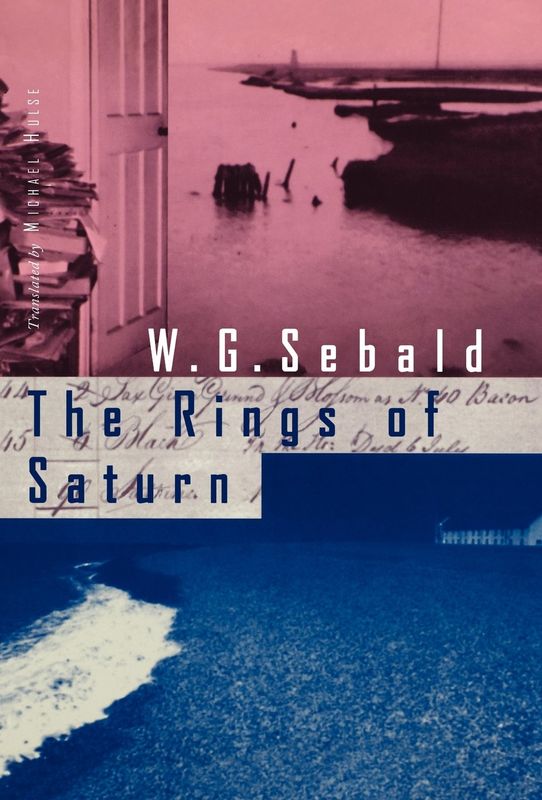

In 'The Rings of Saturn', author Winfried Georg Sebald embarks on a contemplative journey through the landscapes of Suffolk, weaving history, memory, and philosophy. As he reflects on the places he visits, Sebald intertwines personal anecdotes with the stories of artists and writers, creating a tapestry of thought and emotion. Each chapter unfurls like a dream, blurring the lines between reality and imagination, past and present. The narrative invites readers to ponder the fragility of existence and the weight of history. With its haunting prose and meditative tone, this book challenges the reader to reflect on the connections that bind us to our surroundings and to each other.
By Winfried Georg Sebald
Published: 1998
"The past is never dead; it's not even past."
"Ostensiblya record of a journey on foot through coastal East Anglia," asRobert McCrum in the London Observer noted, The Rings ofSaturn "is also a brilliantly allusive study of England'simperial past and the nature of decline and fall, of loss and decay.. . . The Rings of Saturn is exhilaratingly, you might sayhypnotically, readable. . . . It is hard to imagine a stranger or morecompelling work." The Rings of Saturn - with its curiousarchive of photographs - chronicles a tour across epochs as well ascountryside. On his way, the narrator meets lonely eccentrics inhabitingtumble-down mansions and links them to Rembrandt's "Anatomy Lesson,"the natural history of the herring, a matchstick model of the Templeof Jerusalem, the travels of Sir Thomas Browne's skull, and the massivebombings of WWII. Cataloging change, oblivion, and memories, he connectssugar fortunes, Joseph Conrad, and the horrors of colonizing the BelgianCongo. The narrator finds threads which run from an abandoned bridgeover the River Blyth to the terrible dowager Empress Tzu Hsi and thesilk industry in Norwich. "Sebald," as The New Yorkerstated, "weaves his tale together with a complexity and historicalsweep that easily encompasses both truth and fiction." TheEmigrants (hailed by Susan Sontag as an "astonishing masterpiece-perfectwhile being unlike any book one has ever read") was "one ofthe great books of the last few years," as Michael Ondaatje noted:"and now The Rings of Saturn is a similar and as strangea triumph."
Showing 8 of 24 similar books
Haruki Murakami is an internationally acclaimed Japanese author known for his surreal, magical realist style, blending elements of reality with the fantastical in his novels. His works, such as "Norwegian Wood," "Kafka on the Shore," and "1Q84," have captivated readers with their dreamlike narratives, introspective characters, and deep exploration of existential themes. Murakami's unique voice often explores loneliness, isolation, and the complexities of human nature. His use of metaphors and symbolism has earned him a dedicated global following, and his books have been translated into dozens of languages. A reclusive figure, Murakami avoids public appearances and prefers to let his work speak for itself, although he occasionally writes essays and non-fiction on topics such as running, jazz, and literature. Murakami has been a strong contender for the Nobel Prize in Literature for years, and his influence on contemporary fiction is undeniable. Beyond his writing, Murakami is also an avid marathon runner and music enthusiast, elements that often appear in his narratives.
Alain de Botton is a Swiss-British philosopher, author, and founder of The School of Life, an organization dedicated to teaching emotional intelligence and life skills. De Botton’s books, such as The Consolations of Philosophy and How Proust Can Change Your Life, blend philosophy with everyday life, offering practical wisdom on love, work, and happiness. His work has popularized philosophy, making it accessible to a wider audience. De Botton is also a public speaker and essayist, frequently exploring topics related to human fulfillment and personal growth. His unique approach to philosophy has made him a respected voice in contemporary culture.
Lex Fridman is an artificial intelligence researcher, podcaster, and MIT professor, known for his work in autonomous vehicles, robotics, and deep learning. Fridman has gained widespread popularity through his podcast, Lex Fridman Podcast, where he interviews leading thinkers in science, technology, and philosophy, exploring topics like AI, consciousness, and the future of humanity. His academic work focuses on human-centered AI, aiming to create machines that can better understand and interact with humans. Fridman’s ability to distill complex topics into accessible conversations has earned him a large following, and his podcast is known for its thoughtful, in-depth discussions with some of the brightest minds of our time. He is also an advocate for the responsible development of AI, emphasizing the ethical implications of this rapidly advancing technology. Outside of academia and podcasting, Fridman is a practitioner of jiu-jitsu and frequently speaks about the importance of discipline and continuous learning.
Abi Tyas Tunggal is a distinguished author known for his impactful contributions to contemporary literature and digital content. He has garnered acclaim for his insightful storytelling and adept handling of complex themes, resonating with a diverse readership. Tunggal's work often explores the intersections of technology, society, and human experience, making him a prominent voice in modern narrative arts. Beyond his literary achievements, he is also recognized for his innovative use of digital platforms to engage with and expand his audience. Tunggal continues to influence the literary landscape with his thought-provoking and accessible writing.
Bret Victor is a renowned American interface designer and computer scientist celebrated for his innovative contributions to interactive design and human-computer interaction. He is best known for creating dynamic, explorable explanations, which have significantly influenced the way educational content is presented and understood. Victor's seminal work, "Inventing on Principle," advocates for the integration of immediate feedback in creative processes, inspiring a new wave of interactive programming environments. As a former member of the Apple Human Interface team, he played a pivotal role in shaping modern user interfaces. Through his organization, Dynamicland, Victor continues to explore and expand the boundaries of immersive, collaborative computing environments.
Barack Obama is the 44th President of the United States, serving from 2009 to 2017. As the first African American president, Obama’s leadership marked a historic moment in American history. His administration focused on healthcare reform, economic recovery from the Great Recession, and environmental policies. He is best known for the Affordable Care Act, as well as his efforts to expand civil rights and restore diplomatic relations with Cuba. Since leaving office, Obama has continued to engage in public life through his foundation, focusing on leadership development, civic engagement, and global issues.
Drew Houston is an accomplished American entrepreneur best known for co-founding Dropbox, a widely-used cloud storage service, in 2007. As the CEO, he has led the company to serve millions of users worldwide and become a key player in the tech industry. Although not primarily known for literature, Houston has shared his entrepreneurial insights and experiences through various interviews and public speaking engagements, offering valuable lessons to aspiring business leaders. His work has significantly influenced the way people and organizations manage and share digital content. Houston's innovative vision continues to shape the future of cloud computing and digital collaboration.
Nat Eliason is an influential writer, entrepreneur, and educator known for his insightful work on personal growth, productivity, and digital marketing. He founded Growth Machine, a successful SEO and content marketing agency that has helped numerous companies expand their online presence. Eliason's thought-provoking articles on his blog cover a wide range of topics, from philosophy to health, attracting a large and engaged audience. Additionally, he authored "Effortless Output with Roam," a comprehensive guide on using the Roam Research tool for knowledge management. Through his diverse contributions, Eliason has established himself as a significant voice in the realms of self-improvement and digital strategy.
Showing 8 of 13 related collections
“The past is never dead; it's not even past.”
The Rings of Saturn
By Winfried Georg Sebald
Discover a world of knowledge through our extensive collection of book summaries.
Winfried Georg Sebald (1944-2001) was a German author and poet, renowned for his innovative narrative style that blended fiction, memoir, and historical documentation. His notable works include "The Rings of Saturn," "Austerlitz," and "The Emigrants," all of which explore themes of memory, loss, and the impact of history on personal identity. Sebald's writing is characterized by its contemplative prose and the integration of photographs and images that complement and deepen the text. His distinctive approach to storytelling has left a lasting influence on contemporary literature, earning him a place among the most significant literary figures of the late 20th century.
Key information about the book.
 Buy on Amazon
 Buy via BookShop
Support local bookstores: BookShop gives a portion of each sale to independent bookshops!
In "A Brief History of Time," Stephen Hawking takes readers on a captivating journey through the cosmos, exploring the nature of time, black holes, and the universe's beginnings. With stunning clarity, he unravels complex scientific concepts, inviting everyone—from curious laypersons to seasoned physicists—to ponder the mysteries of existence. Hawking's charismatic storytelling challenges our perceptions of reality and time itself, posing profound questions about the universe's fate. As he merges science with philosophy, the reader is compelled to reflect on their place in a vast, enigmatic cosmos. Prepare to be inspired and awed by a narrative that transcends mere facts, pushing the boundaries of human understanding.
In 'Introduction to Mathematical Philosophy,' Bertrand Russell takes readers on a fascinating journey through the foundations of mathematics and its philosophical implications. He explores concepts such as numbers, infinity, and the nature of mathematical truth, challenging conventional thinking. With his unique blend of clarity and insight, Russell demystifies complex ideas, revealing the profound connections between logic and mathematics. This thought-provoking work not only invites readers to rethink their understanding of numbers but also questions the very essence of reality itself. A must-read for anyone intrigued by the interplay of philosophy and mathematics, this book promises to expand your horizons.
In 'Sum,' David Eagleman takes readers on a journey through the afterlife, presenting a series of imaginative vignettes that explore the myriad possibilities of existence beyond death. Each scenario forces readers to confront deep questions about identity, consciousness, and the essence of what it means to be human. Eagleman's captivating prose blends science and philosophy, inviting us to envision alternate realities that challenge our conventional beliefs. With its blend of creativity and introspection, 'Sum' promises to expand your mind and spark your imagination. Are you ready to explore what lies beyond the final curtain?
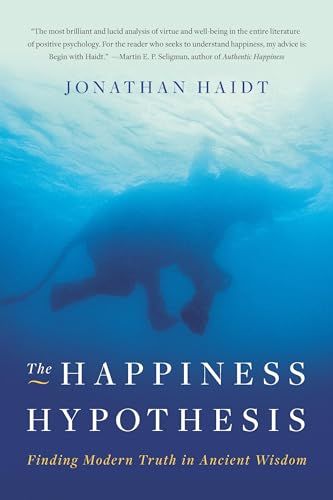
In 'The Happiness Hypothesis', Jonathan Haidt delves into the ancient wisdom of happiness, exploring how age-old philosophies intersect with modern psychology. He presents a compelling argument that our well-being can be influenced by both our external circumstances and internal beliefs. By examining ten great ideas from various cultures, Haidt reveals surprising insights about love, morality, and the meaning of life. This engaging blend of science and philosophy challenges readers to rethink what truly brings happiness. Are we mere puppets of our circumstances, or can we take charge of our own joy?

In 'The Dharma Bums,' Jack Kerouac takes readers on a vivid journey through the eyes of Ray Smith, a restless wanderer seeking spiritual enlightenment amid the backdrop of 1950s America. As he traverses mountains and communes with like-minded souls, the book explores the tension between societal expectations and the pursuit of true happiness. Kerouac's prose captures the essence of beatnik culture, encapsulating adventures filled with poetry, philosophy, and fleeting friendships. Along the way, readers are invited to ponder their own paths to self-discovery and the meaning of life. Will Ray find the enlightenment he seeks, or is he destined to roam forever?
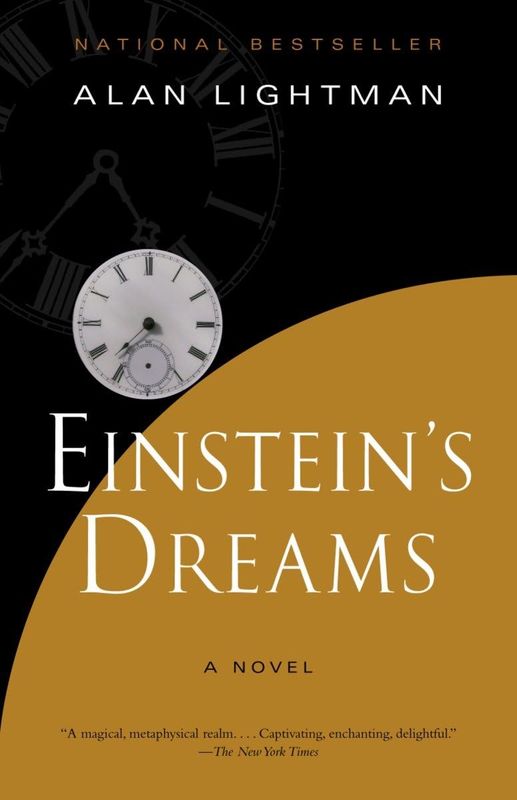
In 'Einstein's Dreams', Alan Lightman weaves a tapestry of imaginative stories that explore the nature of time through the dreams of a young Albert Einstein. Each dream presents a unique and captivating reality where time is experienced differently, challenging our conventional understanding. From a world where time is reversible to one where it stands still, these narratives provoke profound reflections on life, love, and the human condition. As Einstein grapples with the implications of his groundbreaking theories, readers are invited to contemplate their own relationships with time. This thought-provoking novel blends science, philosophy, and art into a mesmerizing exploration of existence itself.
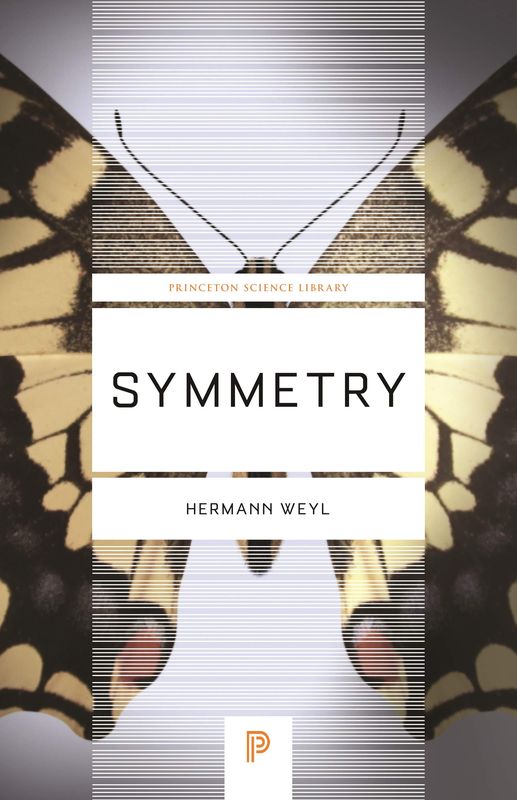
In 'Symmetry,' Hermann Weyl explores the profound concept of symmetry as a fundamental principle in mathematics and nature. He weaves together the threads of physics, art, and philosophy, revealing how symmetry shapes our understanding of the universe. Through intriguing insights, Weyl invites readers to consider how aesthetic beauty is intertwined with scientific truth. As he delves into the realms of geometry and theoretical physics, he unravels the mysteries that govern our world. This book is not just an exploration of a mathematical concept; it is a journey that challenges the way we perceive reality itself.
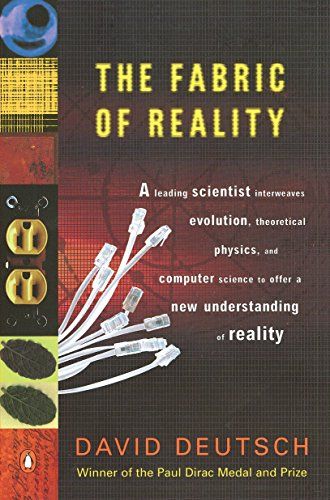
In 'The Fabric of Reality,' David Deutsch weaves together threads of quantum physics, computation, evolution, and the philosophy of knowledge into a captivating exploration of how reality is constructed. He challenges conventional wisdom, suggesting that the universe is a vast tapestry of interconnected ideas that shape our understanding of existence. Deutsch posits that our scientific theories are not merely tools but vital frameworks that reflect the true nature of reality. As he navigates complex concepts with clarity, readers are invited to reimagine their perspective on knowledge and its implications for the future. The book is an exhilarating journey that leaves one pondering the profound questions of life and our place in the cosmos.







Download our mobile app to enjoy your favorite books on the go. Get access to exclusive features, offline listening, and personalized recommendations.