The Robber Barons Book Summary
In 'The Robber Barons', Matthew Josephson explores the cutthroat world of America’s Gilded Age, illuminating the lives of tycoons who amassed vast fortunes while bending the rules of capitalism. Through gripping narrative and rich detail, he unveils the morally complex legacy of figures like Carnegie and Rockefeller. Readers will encounter tales of ambition, greed, and the relentless pursuit of power that shaped a nation. But beneath the surface of wealth and success lies a darker story of exploitation and social upheaval. This book invites you to question the price of progress and the human cost of the American Dream.
By Matthew Josephson
Published: 1962
""In the pursuit of wealth, some men become titans, while others remain mere shadows, revealing the relentless ambition and moral ambiguity that shaped America’s industrial landscape.""
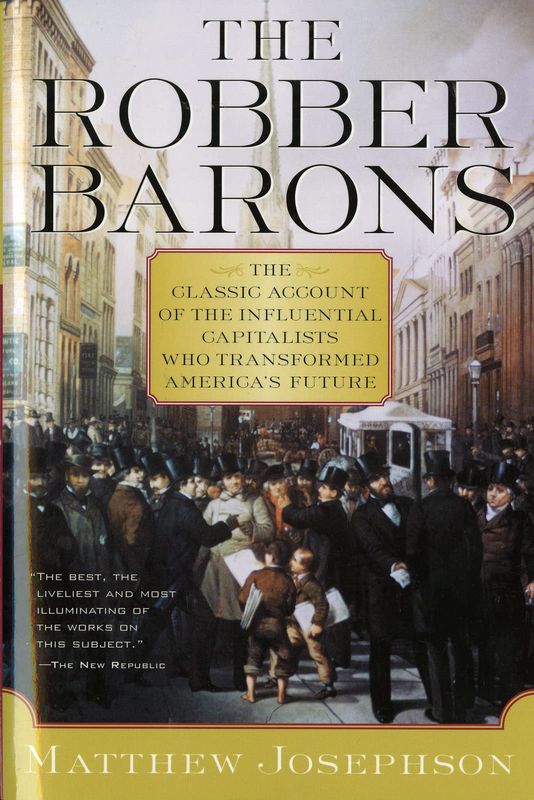

Start Listening to Book Summary
Book Review of The Robber Barons
Includes material on John D. Rockefeller, J. Pierpoint Morgan, Cornelius Vanderbilt, William H. Vanderbilt, Andrew Carnegie, E.H. Harriman, Jay Gould, Jim Fisk, Jay Cooke, Daniel Drew, Henry C. Frick, James J. Hill, Charles M. Schwab, Henry Villard, Standard Oil Company, trusts.
Book Overview of The Robber Barons
About the Book Author
Matthew Josephson
Matthew Josephson was an American author and biographer known for his insightful and engaging narratives. Born in 1899, he made significant contributions to American literature during the early to mid-20th century. His notable works include 'The Robber Barons', which explores the lives of America’s industrial giants, and 'The New Tycoons', a critical examination of the emerging business elite. Josephson’s writing is characterized by its clarity, rich detail, and an ability to weave complex historical contexts into compelling stories. In addition to his biographies, he also wrote essays and articles that reflected his deep understanding of American society and culture.
Book Details
Key information about the book.
- Authors
- Matthew Josephson
- Published
- January 1962
- Publisher
- Houghton Mifflin Harcourt
- ISBN
- 0156767902
- Language
- English
- Pages
- 496
- Genres
- American HistoryHistoryBusiness and EconomicsPolitical HistoryConsumer Behavior
Purchase Options
 Buy on Amazon
 Buy via BookShop
Support local bookstores: BookShop gives a portion of each sale to independent bookshops!
Similar books you might like →
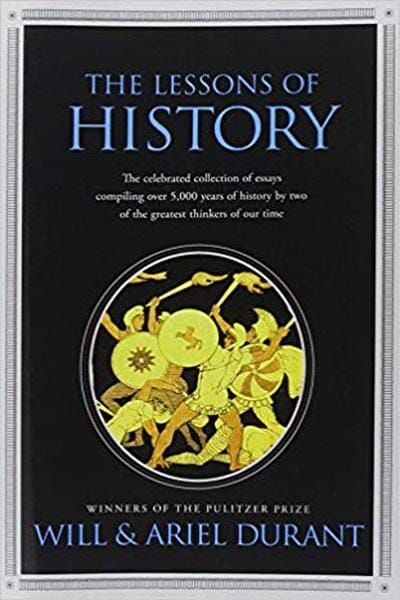
The Lessons of History Book Summary
In "The Lessons of History," Will and Ariel Durant distill the sweeping narrative of human civilization into profound insights that span cultures and epochs. They explore the recurring themes of war, economics, religion, and human nature that shape our collective journey. With razor-sharp clarity, the Durants argue that the past holds invaluable lessons that can guide our present and future decisions. What patterns emerge when we closely examine the ebb and flow of societies? This thought-provoking work invites readers to reflect on the intricacies of humanity's story and consider how we might navigate the path ahead.
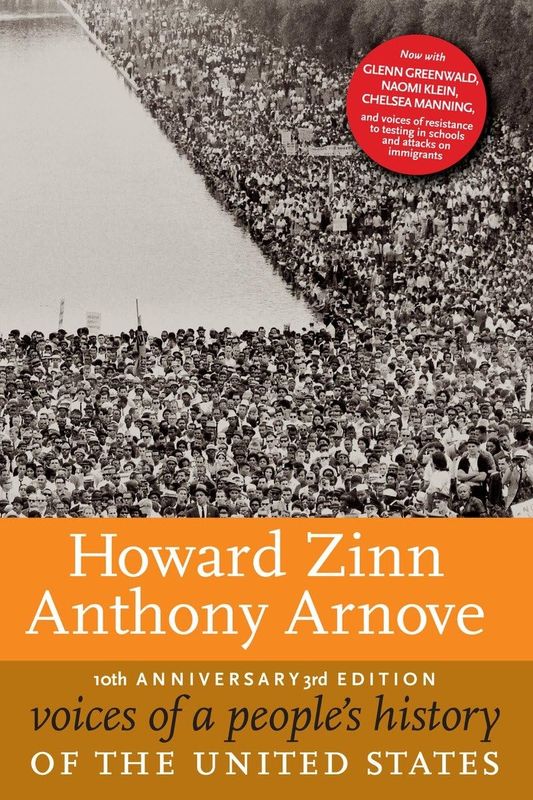
Voices of a People's History of the United States, 10th Anniversary Edition Book Summary
In 'Voices of a People's History of the United States,' Howard Zinn and Anthony Arnove present a powerful anthology that amplifies the voices often silenced in mainstream narratives. This 10th Anniversary Edition delves into the stories of marginalized communities, offering a profound insight into the struggles and triumphs of the American populace. Featuring riveting accounts from laborers, activists, and everyday citizens, the book challenges conventional historical perspectives. Each narrative serves as a reminder of the resilience of the human spirit and the continuous fight for justice. Discover the untold stories that shape the fabric of America and provoke thought about the narratives we accept.

Inevitable Revolutions Book Summary
In 'Inevitable Revolutions', Walter LaFeber delves into the history of U.S. involvement in Central America, revealing the complex interplay between ideologies and national interests. With eloquent storytelling, LaFeber highlights the economic and political forces that led to revolutions, casting a revealing light on America's role as both a supporter and suppressor of democracy. The book challenges readers to reconsider the narrative of American exceptionalism, raising questions about accountability and the consequences of intervention. Through case studies of specific nations, LaFeber illustrates the paradox of U.S. foreign policy—intentions versus outcomes. This thought-provoking work leaves readers pondering the true cost of 'freedom' as seen through the lens of American influence.
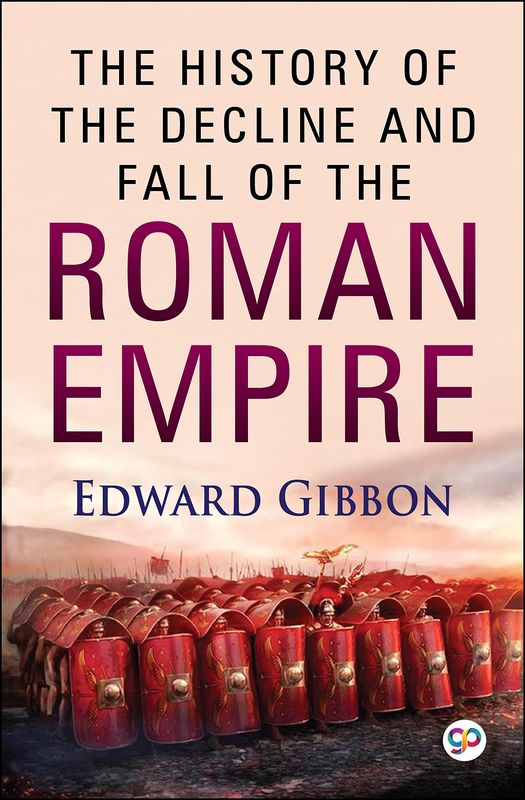
The History of the Decline & Fall of the Roman Empire Book Summary
In 'The History of the Decline & Fall of the Roman Empire,' Edward Gibbon meticulously chronicles the mighty empire's descent into chaos and obscurity. With eloquent prose, Gibbon unveils the interplay of political intrigue, moral decay, and military defeats that eroded Rome's power. His analysis does not merely recount events but delves into the philosophical implications of decline and the lessons for future societies. As empires rise and fall, engage with the timeless questions Gibbon poses about civilization itself. Dive into this monumental work to understand how history shapes our present and future.
Accidental Presidents Book Summary
In 'Accidental Presidents', Jared Cohen explores the unexpected rise of U.S. leaders who ascended to the presidency by chance rather than through traditional paths. From political mishaps to sudden deaths, these leaders had to navigate unique challenges that transformed their presidencies and the nation. Cohen delves into their distinct personalities and pivotal moments, revealing how fortune and fate can shape history. This compelling narrative raises questions about leadership, legacy, and the unpredictability of political power. Discover how chance encounters led to monumental changes and what this means for the future of American leadership.
A History of Economic Theory Book Summary
In 'A History of Economic Theory', Jürg Niehans takes readers on a captivating journey through the evolution of economic thought. From ancient philosophies to contemporary paradigms, the book unravels how ideas have shaped economic practices across cultures and eras. With each chapter, Niehans reveals the intellectual battles and breakthroughs that have defined the discipline. Rich in historical context, this work challenges readers to consider the relevance of past theories in today's economy. Dive into this scholarly adventure and discover how the past continually influences our understanding of wealth and value.
A History of God Book Summary
In 'A History of God', Karen Armstrong embarks on a fascinating journey through the evolution of the concept of God from ancient times to the modern era. She explores how various religions—Judaism, Christianity, and Islam—have shaped humanity's understanding of the divine, revealing the complexities and contradictions in these beliefs. Highlighting the influence of culture, politics, and philosophy, Armstrong invites readers to reconsider their perceptions of faith and spirituality. This thought-provoking narrative raises profound questions about the nature of belief and the future of religious thought. Are we on the brink of a new understanding of God, or are we simply repeating history?
Good Charts Book Summary
In 'Good Charts', Scott Berinato explores the art and science of effective data visualization. He reveals how the right charts can transform complex information into compelling stories, helping decision-makers see the bigger picture. Berinato dissects various chart types, offering practical tips that challenge traditional norms and empower readers to create impactful visualizations. Filled with real-world examples, the book illustrates how good charts can drive engagement and foster understanding. Discover how to harness the power of visual data to captivate your audience and communicate with clarity.
Showing 8 of 28 similar books
Take your reading experience to the next level
Download our mobile app to enjoy your favorite books on the go. Get access to exclusive features, offline listening, and personalized recommendations.

Similar Book Recommendations →

Ezra Klein's Book Recommendations
Ezra Klein is a prominent American journalist, political analyst, and author, renowned for his incisive commentary on politics and policy. He co-founded Vox, a widely respected news website known for its explanatory journalism, and served as its editor-in-chief. Klein's work includes the critically acclaimed book "Why We're Polarized," which delves into the deep-seated divisions in American politics. He also hosts "The Ezra Klein Show," a popular podcast where he interviews thought leaders from various fields. Klein's contributions have significantly shaped contemporary political discourse and media consumption.

Ray Dalio's Book Recommendations
Ray Dalio is the founder of Bridgewater Associates, one of the largest and most successful hedge funds in the world. He is also the author of the bestselling book Principles, where he outlines his philosophy on life, leadership, and investing. Ray is renowned for his unique approach to transparency, radical truth, and thoughtful disagreement within organizations. His insights into economics and investing have made him one of the most influential figures in the financial world. Dalio continues to be a thought leader in business, economics, and philanthropy.

Alex Honnold's Book Recommendations
Alex Honnold is an American professional rock climber, best known for his free solo ascent of El Capitan in Yosemite National Park, a feat that was documented in the Oscar-winning film Free Solo. Honnold is renowned for his mental toughness, technical skill, and ability to climb without ropes or safety equipment. His accomplishments have made him a legend in the climbing world, and he continues to push the boundaries of the sport. Outside of climbing, Honnold is a philanthropist, founding the Honnold Foundation, which supports environmental sustainability projects, particularly in solar energy.

Patrick Collison's Book Recommendations
Patrick Collison is an Irish entrepreneur and co-founder of Stripe, a global technology company that enables businesses to accept online payments. Along with his brother John, Patrick has transformed Stripe into one of the most valuable private tech companies in the world. Stripe’s innovative approach to online payments has made it a key player in the financial technology space. Collison is known for his deep interest in science, technology, and policy, often engaging in conversations about innovation, progress, and how to improve societal outcomes. He is an advocate for scientific advancement and the intersection of technology and public policy.

Ben Shapiro's Book Recommendations
Ben Shapiro is an American conservative political commentator, author, and lawyer, known for his sharp analytical skills and outspoken views. He graduated from UCLA at the age of 20 and Harvard Law School at 23, demonstrating his early intellectual prowess. Shapiro is the author of several best-selling books including "Bullies: How the Left's Culture of Fear and Intimidation Silences Americans" and "The Right Side of History: How Reason and Moral Purpose Made the West Great." He is the co-founder and editor emeritus of The Daily Wire, a popular conservative news and opinion website. Through his writing and media presence, Shapiro has significantly influenced contemporary political discourse in the United States.

Barack Obama's Book Recommendations
Barack Obama is the 44th President of the United States, serving from 2009 to 2017. As the first African American president, Obama’s leadership marked a historic moment in American history. His administration focused on healthcare reform, economic recovery from the Great Recession, and environmental policies. He is best known for the Affordable Care Act, as well as his efforts to expand civil rights and restore diplomatic relations with Cuba. Since leaving office, Obama has continued to engage in public life through his foundation, focusing on leadership development, civic engagement, and global issues.

Malcolm Gladwell's Book Recommendations
Malcolm Gladwell is a Canadian journalist, author, and public speaker, best known for his best-selling books The Tipping Point, Outliers, and Blink. Gladwell’s work often explores the hidden patterns behind success, decision-making, and social phenomena, using storytelling to make complex ideas accessible to a wide audience. He has written extensively for The New Yorker and hosts the popular podcast Revisionist History, where he reexamines overlooked or misunderstood events in history. Gladwell is known for his ability to challenge conventional wisdom and provoke new ways of thinking about human behavior and societal trends.

Ta-Nehisi Coates's Book Recommendations
Ta-Nehisi Coates is an acclaimed American author and journalist known for his profound explorations of African American culture and history. His seminal work, "Between the World and Me," won the National Book Award for Nonfiction in 2015 and has been lauded for its poignant examination of race in America. Coates has also made significant contributions to comic books, notably writing for Marvel's "Black Panther" and "Captain America" series. He has been a national correspondent for The Atlantic, where his essays garnered widespread attention and accolades. Coates continues to influence contemporary thought on race, history, and politics through his powerful and evocative writing.
Showing 8 of 18 related collections
“"In the pursuit of wealth, some men become titans, while others remain mere shadows, revealing the relentless ambition and moral ambiguity that shaped America’s industrial landscape."”
The Robber Barons
By Matthew Josephson
Frequently Asked Questions
Explore Our Catalogue
Discover a world of knowledge through our extensive collection of book summaries.
Genres
Genres
Genres
Featured Collections
- Top Book Club Picks
- One-Stop Nutrition
- Summer Reads 2024
- Best Beach Reads 2024
- Work-Life Balance Guide
- Time Management
- Healthy Foods
- Entrepreneur Toolkit
- Mind & Body Wellness
- Future Tech Insights
- Leadership Essentials
- Financial Freedom
- Sci-Fi Masterpieces
- Parenting 101
- Books That Became Blockbusters
- Guide to a Healthy Pregnancy