The Social Life of Information Book Summary
In 'The Social Life of Information', John Seely Brown and Paul Duguid challenge preconceived notions about information in the digital age. They explore how context, culture, and social practices shape the way we understand and utilize information. Drawing upon various examples, the authors argue that information must be viewed through the lens of social interaction to truly grasp its significance. This insightful work prompts readers to reconsider how they navigate the complex landscape of information in modern society. Are we merely passive consumers of data, or are we active participants in a rich social tapestry?
By John Seely Brown, Paul Duguid
Published: 2017
""In the age of information, understanding is not merely about knowing more; it's about knowing how to connect the dots between knowledge, context, and human experience.""
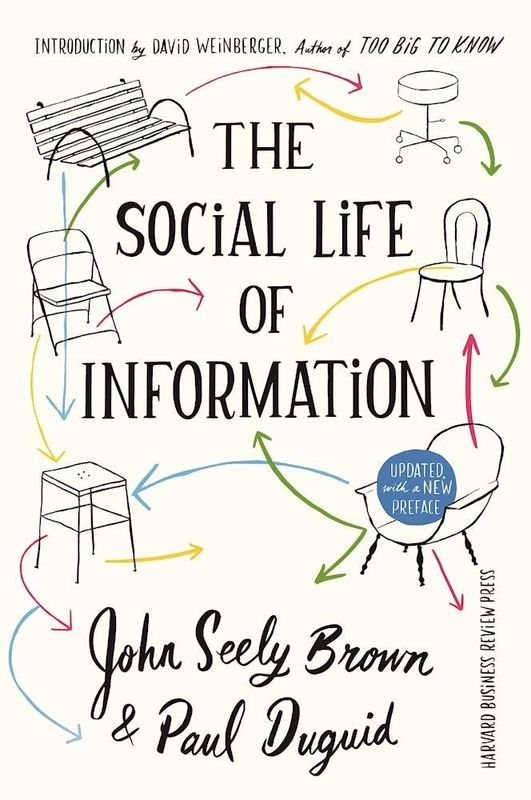

Start Listening to Book Summary
Book Review of The Social Life of Information
Introduction: Tunneling ahead -- Limits to information -- Agents and angels -- Home alone -- Practice makes process -- Learning - in theory and in practice -- Innovating organization, husbanding knowledge -- Reading the background -- Re-education
Book Overview of The Social Life of Information
About the Book Authors
John Seely Brown
John Seely Brown is a renowned author, researcher, and thought leader in the fields of organizational learning and innovation. He served as the Chief Scientist at Xerox Corporation's Palo Alto Research Center (PARC) and has made significant contributions to the understanding of how technology and social practices intersect in learning environments. Notable works include 'The Social Life of Information' co-authored with Paul Duguid, 'A New Culture of Learning,' and 'Design Unbound.' Brown's writing style is characterized by its clarity and accessibility, often blending theoretical insights with practical applications, making complex concepts approachable for a diverse audience. His interdisciplinary approach integrates knowledge from psychology, education, and design.
Paul Duguid
Paul Duguid is a distinguished author and scholar, widely recognized for his contributions to the fields of information studies and history. He is particularly noted for his work on the implications of technology on society and the interplay between knowledge and its material manifestations. His notable works include "The Social Life of Information," co-authored with John Seely Brown, which explores how information is used in social contexts, and "The History of the Information Age," where he examines the societal transformations brought about by informational shifts. Duguid's writing style is characterized by depth of insight, clarity, and an engaging narrative that bridges academic rigor with accessibility, making complex concepts relatable to a broader audience.
Book Details
Key information about the book.
- Authors
- John Seely Brown, Paul Duguid
- Published
- January 2017
- Publisher
- N/A
- ISBN
- 1633692418
- Language
- English
- Pages
- N/A
- Genres
- PhilosophyCultural StudiesDigital CommunicationSocial MediaMediaTechnology
Purchase Options
 Buy on Amazon
 Buy via BookShop
Support local bookstores: BookShop gives a portion of each sale to independent bookshops!
Similar books you might like →
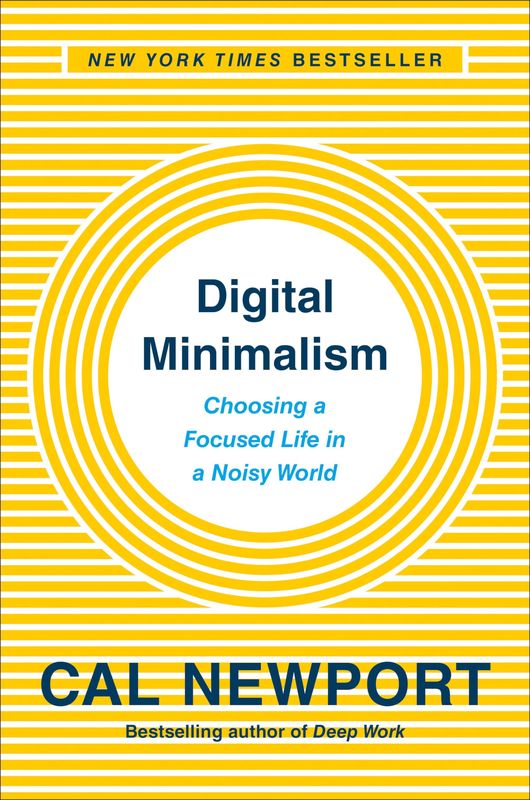
Digital Minimalism Book Summary
In 'Digital Minimalism', Cal Newport challenges our relationship with technology, advocating for a mindful approach to digital consumption. He presents a philosophy that emphasizes focusing on what truly matters in our lives by decluttering our digital spaces. Through compelling anecdotes and research, Newport unveils the hidden costs of excessive screen time, encouraging readers to reclaim their attention and leisure. This transformative book offers practical strategies for prioritizing meaningful interactions and passions over distractions. Are you ready to disconnect to reconnect with what truly enriches your life?
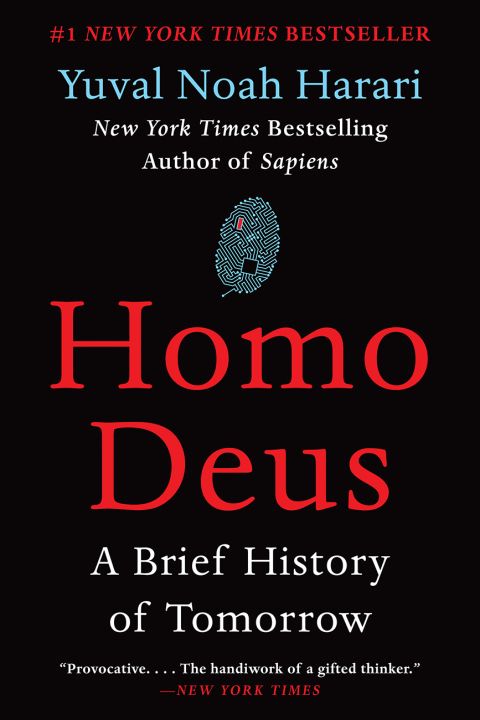
Homo Deus Book Summary
In "Homo Deus: A Brief History of Tomorrow," Yuval Noah Harari explores the future possibilities for humanity as we evolve beyond our current limitations. Delving into themes of artificial intelligence, genetic engineering, and the quest for immortality, he provokes thought about what may come after Homo sapiens. As society increasingly turns to technology for solutions, he questions the implications of our pursuit of happiness and god-like powers. Will we augment our bodies and minds, or lose our humanity in the process? This provocative journey invites readers to ponder the exhilarating—and terrifying—potential of our own evolution.
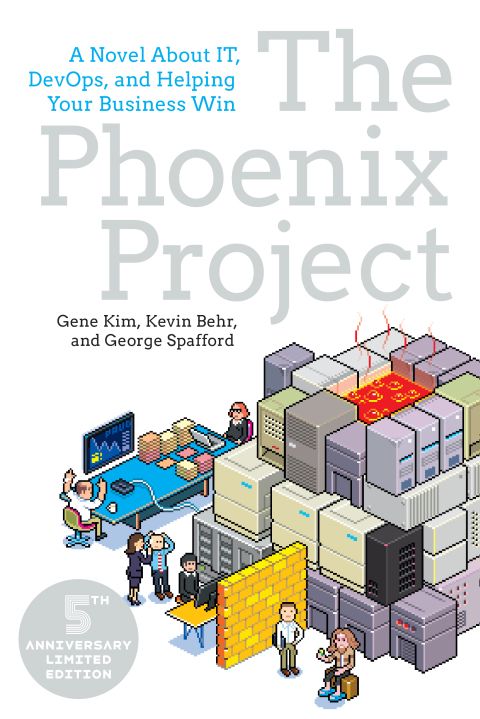
The Phoenix Project Book Summary
In "The Phoenix Project," chaos reigns at Parts Unlimited, a car manufacturer struggling to keep up with a rapidly changing tech landscape. When IT manager Bill Palmer is unexpectedly thrust into a project vital for the company's survival, he discovers the interconnected challenges of people, processes, and technology. As he navigates through daily crises and corporate politics, Bill learns the transformative power of DevOps principles. Can he turn the company around before it's too late? This compelling tale blends fiction with valuable lessons, making it a must-read for anyone facing modern business challenges.
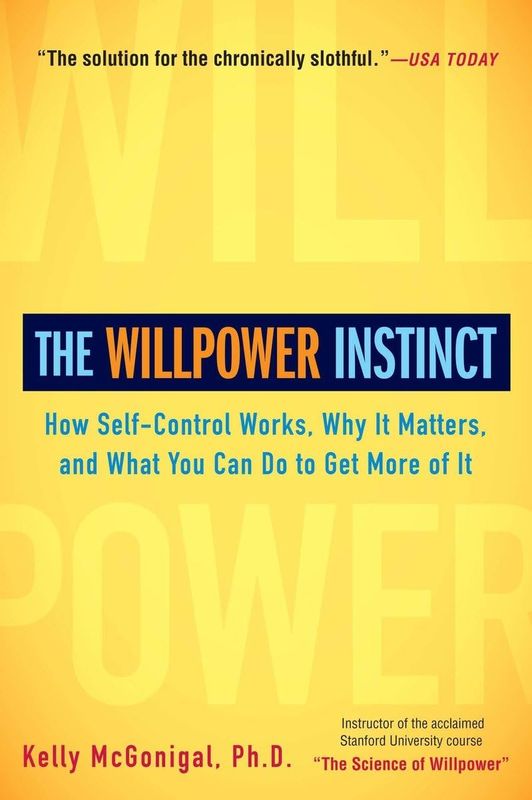
The Willpower Instinct Book Summary
In 'The Willpower Instinct', Kelly McGonigal explores the science behind self-control and how we can harness our willpower to achieve our goals. Through compelling anecdotes and research, she reveals why willpower is a skill that can be trained and strengthened like a muscle. Discover the surprising ways your brain works against your best intentions and learn practical strategies to overcome temptation. This eye-opening guide not only addresses personal challenges but also delves into the broader implications for society. Whether battling procrastination, unhealthy habits, or stress, readers will find a path toward mastering their willpower and transforming their lives.
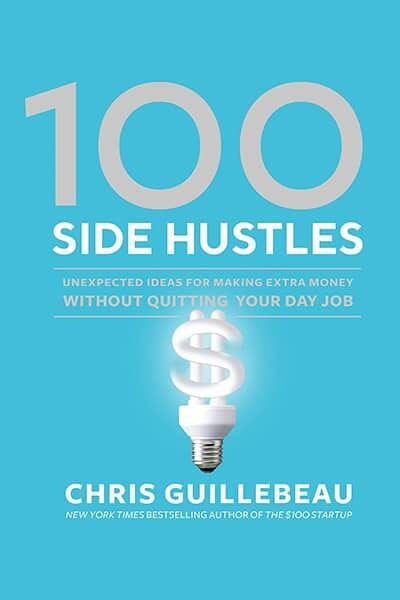
100 Side Hustles Book Summary
In '100 Side Hustles,' Chris Guillebeau inspires readers to explore diverse and innovative ways to make extra income beyond their day jobs. The book features real-life stories of individuals who have successfully launched side businesses, revealing their unique journeys and practical tips. Each hustle is designed to be achievable, empowering anyone to find their passion project. With a focus on creativity and resourcefulness, Guillebeau encourages readers to embrace entrepreneurship and redefine success on their own terms. Are you ready to discover a hidden talent or passion that could transform your financial future?

The Big Ship and the Little Digger Book Summary
In 'The Big Ship and the Little Digger,' Ryan Petersen takes readers on an adventurous journey where an enormous ship meets a tiny digger on a bustling construction site. The unlikely duo discovers the importance of teamwork as they combine their unique strengths to overcome challenges. As they navigate obstacles together, their friendship blossoms, proving that size doesn’t determine capability. Vibrant illustrations bring the story to life, making it a visual treat for young readers. This tale inspires curiosity about friendship and collaboration, encouraging children to see the value in their differences.

The Long Peace Book Summary
In 'The Long Peace,' historian John Lewis Gaddis examines the unprecedented stability of the post-World War II era, delving into the geopolitical dynamics that have shaped international relations. With a focus on the interplay between military power and diplomatic negotiations, Gaddis challenges readers to rethink traditional narratives of conflict and resolution. He explores how the balance of power and nuclear deterrence have played crucial roles in maintaining peace among nuclear-armed states. This thought-provoking analysis not only sheds light on the past but also poses critical questions about the future of global peace. Prepare to be captivated by Gaddis's insights as he unravels the complexities of a remarkably long-lasting tranquility.
Showing 8 of 29 similar books
Take your reading experience to the next level
Download our mobile app to enjoy your favorite books on the go. Get access to exclusive features, offline listening, and personalized recommendations.

Similar Book Recommendations →

Bret Victor's Book Recommendations
Bret Victor is a renowned American interface designer and computer scientist celebrated for his innovative contributions to interactive design and human-computer interaction. He is best known for creating dynamic, explorable explanations, which have significantly influenced the way educational content is presented and understood. Victor's seminal work, "Inventing on Principle," advocates for the integration of immediate feedback in creative processes, inspiring a new wave of interactive programming environments. As a former member of the Apple Human Interface team, he played a pivotal role in shaping modern user interfaces. Through his organization, Dynamicland, Victor continues to explore and expand the boundaries of immersive, collaborative computing environments.

Nat Eliason's Book Recommendations
Nat Eliason is an influential writer, entrepreneur, and educator known for his insightful work on personal growth, productivity, and digital marketing. He founded Growth Machine, a successful SEO and content marketing agency that has helped numerous companies expand their online presence. Eliason's thought-provoking articles on his blog cover a wide range of topics, from philosophy to health, attracting a large and engaged audience. Additionally, he authored "Effortless Output with Roam," a comprehensive guide on using the Roam Research tool for knowledge management. Through his diverse contributions, Eliason has established himself as a significant voice in the realms of self-improvement and digital strategy.

Daniel Burka's Book Recommendations
Daniel Burka is a prominent figure in the tech and design world, best known for his significant contributions to digital product design. As a design partner at GV (formerly Google Ventures), he has played a crucial role in shaping the user experience of numerous successful startups. Burka co-founded the design agency MetaLab, which has worked with top-tier clients like Slack and Coinbase. Additionally, his work at Digg as the Director of Design helped pioneer social media design trends in the early 2000s. While not primarily an author, Burka's influence extends into literature through his insightful writings and talks on design and innovation.

Ev Williams's Book Recommendations
Ev Williams is an American entrepreneur, best known as the co-founder of Twitter and Medium. Williams has a long history in the tech industry, having co-founded Blogger, one of the first blogging platforms, which was later acquired by Google. His work has significantly shaped online communication, giving people platforms to share their thoughts and ideas globally. Williams’ focus on simplicity and user experience has been a hallmark of his career. He continues to lead Medium, a platform that champions quality content and thoughtful discourse.

Seth Godin's Book Recommendations
Seth Godin is a prolific author and entrepreneur, renowned for his influential contributions to marketing and business thought leadership. He has written over 20 bestselling books, including "Purple Cow," "Linchpin," and "The Dip," which have revolutionized modern marketing strategies and inspired countless professionals. Godin's work emphasizes the importance of creativity, innovation, and the power of ideas in building successful enterprises. He is also the founder of altMBA, an online leadership and management workshop, and he consistently shares his insights through his popular daily blog. Godin's impact on the marketing world has earned him a spot in the Direct Marketing Hall of Fame.

Kevin Systrom's Book Recommendations
Kevin Systrom is best known as the co-founder of Instagram, a social media platform that has revolutionized visual storytelling and digital communication. Although not primarily known for contributions to literature, Systrom's work has significantly influenced modern narratives through the lens of technology and social media. His innovative approach has enabled millions to share their stories and experiences globally, altering the landscape of contemporary storytelling. Systrom's impact extends beyond tech, as his vision has inspired a new genre of digital content creation. His achievements underscore the intersection of technology and culture, shaping the way stories are told and consumed in the digital age.

Keith Rabois's Book Recommendations
Keith Rabois is a prominent American entrepreneur, investor, and author known for his significant contributions to the tech industry and startup ecosystem. He played crucial roles in the early success of companies like PayPal, LinkedIn, Square, and Yelp, earning a reputation as a skilled operator and strategic thinker. As a partner at Founders Fund and later at Khosla Ventures, Rabois has invested in and advised numerous successful startups. In addition to his business ventures, he has written insightful articles and essays on technology, entrepreneurship, and innovation, contributing to the broader discourse on these subjects. Rabois continues to influence the tech world with his strategic insights and thought leadership.

Jack Dorsey's Book Recommendations
Jack Dorsey is an influential American technology entrepreneur and philanthropist, best known as the co-founder and former CEO of Twitter. While not primarily a literary figure, Dorsey's contributions to social media have revolutionized how information is disseminated and consumed globally. His work has indirectly influenced modern literature by providing a platform for writers, journalists, and thinkers to share ideas instantly. Additionally, Dorsey co-founded Square, a financial services and mobile payment company, which has impacted digital transactions worldwide. His innovative contributions have earned him recognition as a pivotal figure in the digital age.
“"In the age of information, understanding is not merely about knowing more; it's about knowing how to connect the dots between knowledge, context, and human experience."”
The Social Life of Information
By John Seely Brown, Paul Duguid
Frequently Asked Questions
Explore Our Catalogue
Discover a world of knowledge through our extensive collection of book summaries.
Genres
Genres
Genres
Featured Collections
- Top Book Club Picks
- One-Stop Nutrition
- Summer Reads 2024
- Best Beach Reads 2024
- Work-Life Balance Guide
- Time Management
- Healthy Foods
- Entrepreneur Toolkit
- Mind & Body Wellness
- Future Tech Insights
- Leadership Essentials
- Financial Freedom
- Sci-Fi Masterpieces
- Parenting 101
- Books That Became Blockbusters
- Guide to a Healthy Pregnancy