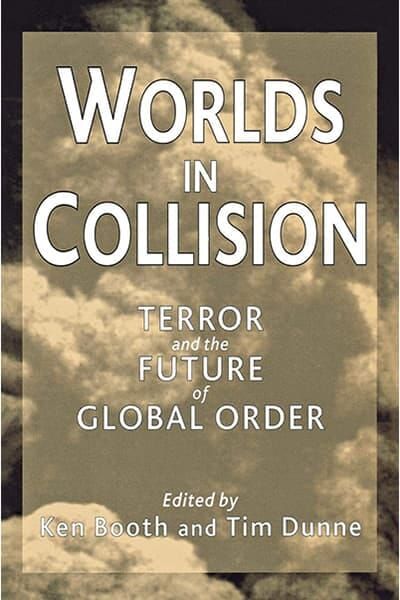
Worlds in Collision Book Summary
In 'Worlds in Collision', authors Ken Booth and T. Dunne explore the intense dynamics of global politics and security in a changing world. They unravel the complex interplay of power, culture, and technology, revealing how nations collide in unforeseen ways. Delving into historical conflicts and contemporary challenges, the book critiques traditional theories while proposing innovative perspectives. As tensions rise and alliances shift, readers are left questioning the very foundations of international relations. This thought-provoking analysis invites you to rethink what it means to coexist in a world marked by chaos and interconnectedness.
By Ken Booth, T. Dunne
Published: 2002
"In the unfathomable depths of the cosmos, we find not only the scars of our past but also the whispers of our future, reminding us that the fabric of existence is woven from the threads of chaos and order."

Start Listening to Book Summary
Book Review of Worlds in Collision
Bringing together an outstanding group of thinkers, Worlds in Collision is the essential book for understanding the debate about the future of global order in the wake of international terrorism and the war in Afghanistan. For years to come, if not decades, the 'war on terrorism' will be the defining paradigm in the struggle for global order. When the victim of such horrific terror attacks happens to be the world's only superpower, the agenda is set for the future global order. This book, offering a comprehensive and provocative collection of viewpoints from leading intellectuals from a number of countries, will help readers understand the ways in which our worlds collided on September 11, 2001. Not only does it comprehensively address the first phase of the war against international terrorism, the book also looks at the wider regional and global ramifications. Worlds in Collision is ultimately about more than the war on terrorism, it concerns itself with the possibilities for re-shaping global order on the basis of new kinds of politics.
Book Overview of Worlds in Collision
About the Book Authors
Ken Booth
Ken Booth is a distinguished author and scholar, recognized for his contributions to the study of international relations and security studies. He has authored and edited numerous influential texts, including 'World Security: Challenges for a New Century' and 'Critical Security Studies: A Reader.' Ken's writing is characterized by its analytical depth and accessibility, blending theoretical insights with practical implications. His work often explores the dynamics of global politics, the nature of conflict, and the importance of critical thought in understanding security issues.
T. Dunne
T. Dunne is a contemporary author known for their thought-provoking narratives and intricate character development. With a keen ability to blend realism with speculative elements, Dunne captivates readers through stories that challenge perceptions and explore the human experience. Their notable works include 'Whispers of the Forgotten', a poignant exploration of memory and identity, and 'Through the Shadows', a gripping tale that delves into the complexities of moral dilemmas. Dunne's writing style is characterized by lyrical prose and a psychological depth that keeps readers engaged long after the last page.
Book Details
Key information about the book.
- Authors
- Ken Booth, T. Dunne
- Published
- June 2002
- Publisher
- Palgrave Macmillan
- ISBN
- 0333998057
- Language
- English
- Pages
- 376
- Genres
- Global ConflictPolitical HistoryInternational RelationsPolitics and Current Affairs
Purchase Options
 Buy on Amazon
 Buy via BookShop
Support local bookstores: BookShop gives a portion of each sale to independent bookshops!
Similar books you might like →
Conspiracy Book Summary
In "Conspiracy," a riveting exploration unfolds around one of the most infamous political scandals in American history. The narrative dives deep into the intricacies of power, betrayal, and the relentless pursuit of truth, following a cast of characters driven by ambition and fear. With shocking revelations and unexpected twists, the author challenges readers to question what they think they know about truth and deception. As allegiances shift and secrets are laid bare, the story reflects on the fine line between justice and vengeance. Prepare for a thought-provoking journey that will leave you pondering the shadows lurking behind every conspiracy.
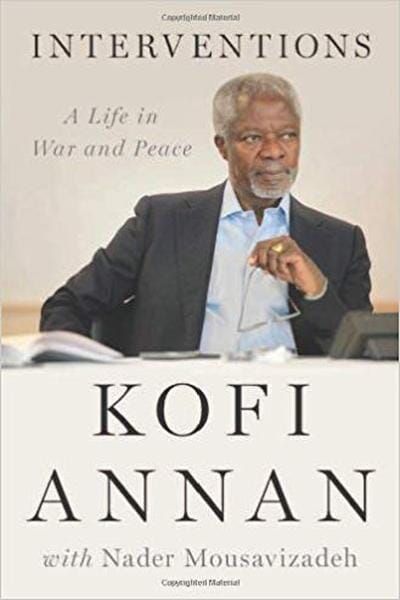
Interventions Book Summary
In 'Interventions,' Kofi Atta Annan shares riveting insights from his tenure as the UN Secretary-General, unraveling the complexities of global diplomacy and humanitarian crises. Co-authored by Nader Mousavizadeh, the book offers a candid exploration of critical international interventions in the realms of conflict, peacekeeping, and development. Annan's personal anecdotes and reflections challenge conventional narratives, inviting readers to ponder the moral dilemmas faced by world leaders. With a blend of personal and political history, the text reveals the intricate dance between power, responsibility, and human rights on the global stage. Prepare to be captivated by Annan's vision for a more just and united world.
Arguing about War Book Summary
In 'Arguing about War,' Michael Walzer delves into the ethical complexities surrounding conflict and warfare, challenging traditional justifications for war. Through thought-provoking analysis and compelling historical examples, he questions whether moral principles can truly be upheld in the chaos of battle. Walzer invites readers to ponder the weight of political responsibility and the consequences of intervention. His exploration of just war theory ignites debate on the morality of military action, making us confront uncomfortable truths about human nature. Engage with this critical discourse and discover how morality and war intersect in ways that will reshape your understanding of global conflicts.
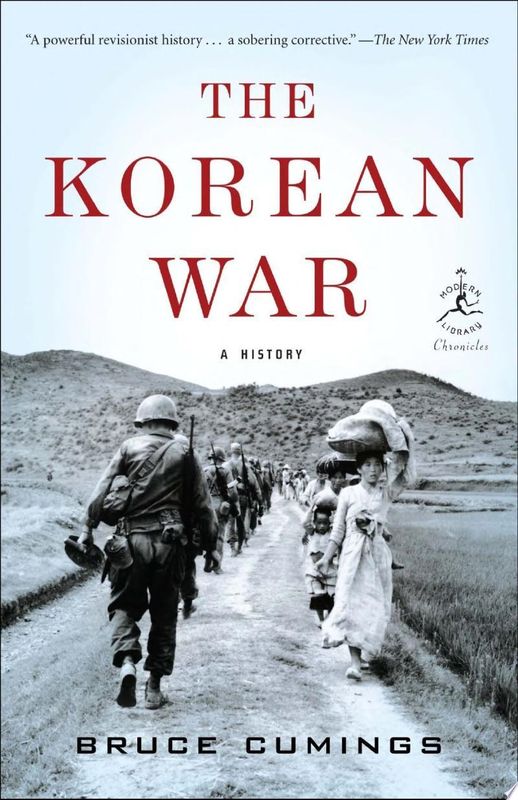
The Korean War Book Summary
In 'The Korean War,' Bruce Cumings unveils the complex origins and devastating impacts of a conflict that reshaped the Korean Peninsula and altered global dynamics. With meticulous research, he dissects the motivations behind the war, shedding light on the roles of the United States, China, and Korea itself. This compelling narrative reveals not just the military strategies but also the human stories of struggle and resilience amidst chaos. As tensions simmer once again in the region, Cumings' insights resonate more than ever, prompting readers to reconsider the war's lasting legacy. Dive into this thought-provoking exploration of history, politics, and humanity's enduring fight for peace.
Between Serb and Albanian Book Summary
No summary available
The Long Peace Book Summary
In 'The Long Peace,' historian John Lewis Gaddis examines the unprecedented stability of the post-World War II era, delving into the geopolitical dynamics that have shaped international relations. With a focus on the interplay between military power and diplomatic negotiations, Gaddis challenges readers to rethink traditional narratives of conflict and resolution. He explores how the balance of power and nuclear deterrence have played crucial roles in maintaining peace among nuclear-armed states. This thought-provoking analysis not only sheds light on the past but also poses critical questions about the future of global peace. Prepare to be captivated by Gaddis's insights as he unravels the complexities of a remarkably long-lasting tranquility.

The Age Of Terror Book Summary
In 'The Age of Terror,' Strobe Talbott and Nayan Chanda explore the evolving landscape of global conflict in the post-9/11 era. The authors delve into how terrorism has reshaped international relations and domestic policies, urging readers to reassess their understanding of security and freedom. With gripping anecdotes and comprehensive analysis, the book unveils the intricate web connecting political power, societal fears, and the relentless threat of terror. As they expose the complex motivations behind terrorist actions, Talbott and Chanda challenge the notion of strict dichotomies between good and evil. This thought-provoking work leaves readers pondering: How do we navigate a world rife with uncertainty and shadows of violence?
Accidental Presidents Book Summary
In 'Accidental Presidents', Jared Cohen explores the unexpected rise of U.S. leaders who ascended to the presidency by chance rather than through traditional paths. From political mishaps to sudden deaths, these leaders had to navigate unique challenges that transformed their presidencies and the nation. Cohen delves into their distinct personalities and pivotal moments, revealing how fortune and fate can shape history. This compelling narrative raises questions about leadership, legacy, and the unpredictability of political power. Discover how chance encounters led to monumental changes and what this means for the future of American leadership.
Showing 8 of 30 similar books
Take your reading experience to the next level
Download our mobile app to enjoy your favorite books on the go. Get access to exclusive features, offline listening, and personalized recommendations.

Similar Book Recommendations →

Alex Honnold's Book Recommendations
Alex Honnold is an American professional rock climber, best known for his free solo ascent of El Capitan in Yosemite National Park, a feat that was documented in the Oscar-winning film Free Solo. Honnold is renowned for his mental toughness, technical skill, and ability to climb without ropes or safety equipment. His accomplishments have made him a legend in the climbing world, and he continues to push the boundaries of the sport. Outside of climbing, Honnold is a philanthropist, founding the Honnold Foundation, which supports environmental sustainability projects, particularly in solar energy.

Patrick Collison's Book Recommendations
Patrick Collison is an Irish entrepreneur and co-founder of Stripe, a global technology company that enables businesses to accept online payments. Along with his brother John, Patrick has transformed Stripe into one of the most valuable private tech companies in the world. Stripe’s innovative approach to online payments has made it a key player in the financial technology space. Collison is known for his deep interest in science, technology, and policy, often engaging in conversations about innovation, progress, and how to improve societal outcomes. He is an advocate for scientific advancement and the intersection of technology and public policy.
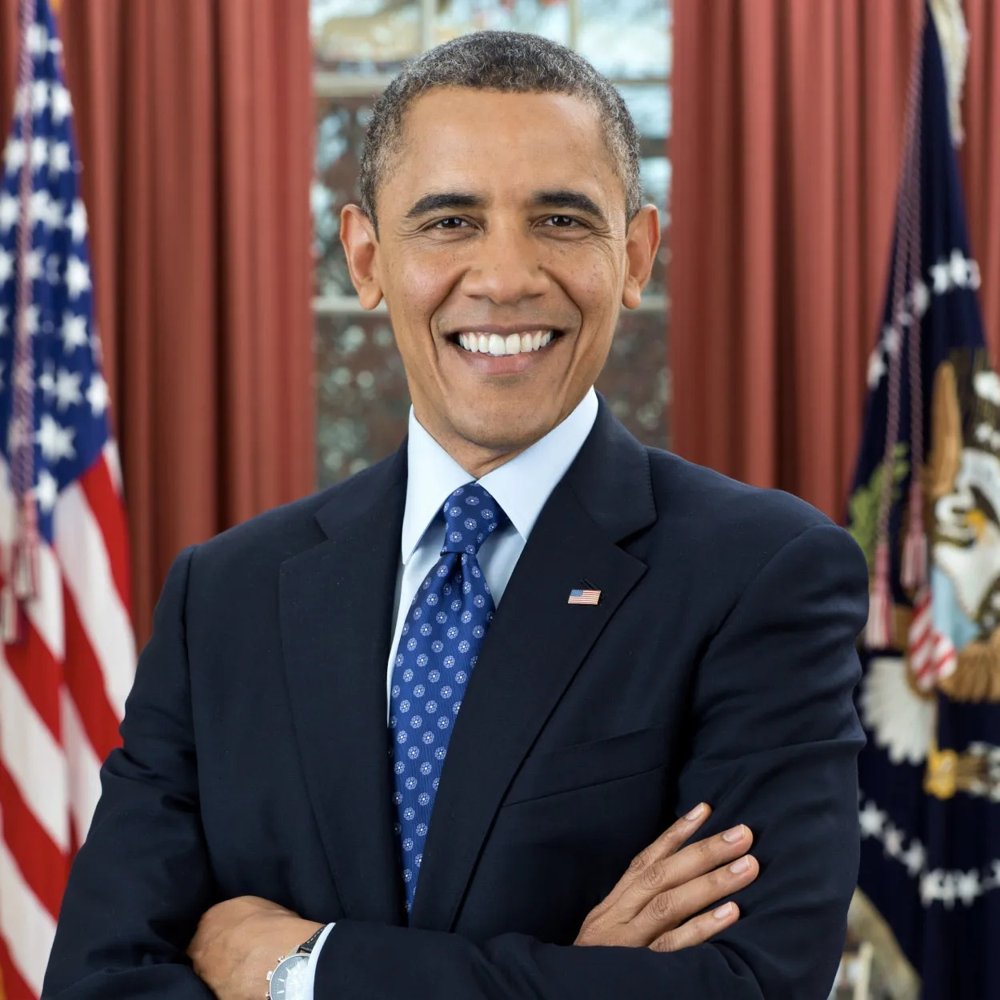
Barack Obama's Book Recommendations
Barack Obama is the 44th President of the United States, serving from 2009 to 2017. As the first African American president, Obama’s leadership marked a historic moment in American history. His administration focused on healthcare reform, economic recovery from the Great Recession, and environmental policies. He is best known for the Affordable Care Act, as well as his efforts to expand civil rights and restore diplomatic relations with Cuba. Since leaving office, Obama has continued to engage in public life through his foundation, focusing on leadership development, civic engagement, and global issues.
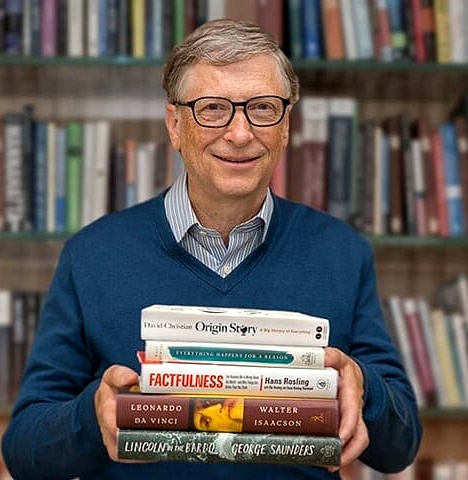
Bill Gates's Book Recommendations
Bill Gates, co-founder of Microsoft Corporation, is a pioneering figure in the tech industry, having played a key role in the personal computer revolution. His work at Microsoft, particularly the development of Windows, transformed software and computing globally. Beyond his technology contributions, Gates is also a prolific author, with notable works such as "The Road Ahead" and "Business @ the Speed of Thought," which offer insights into the future of technology and business. Additionally, his philanthropic efforts through the Bill & Melinda Gates Foundation have had a profound impact on global health, education, and poverty. Gates continues to influence both technology and literature with his forward-thinking perspectives and innovative ideas.

Peter Thiel's Book Recommendations
Peter Thiel is a renowned entrepreneur, venture capitalist, and author best known for co-founding PayPal and Palantir Technologies. He played a pivotal role in the early growth of Facebook as its first outside investor. Thiel's literary contributions include his influential book "Zero to One: Notes on Startups, or How to Build the Future," which offers insights into innovation, entrepreneurship, and the future of technology. A prominent figure in Silicon Valley, he has significantly impacted the tech industry's landscape through his investments and thought leadership. Thiel's work continues to inspire entrepreneurs and innovators around the world.
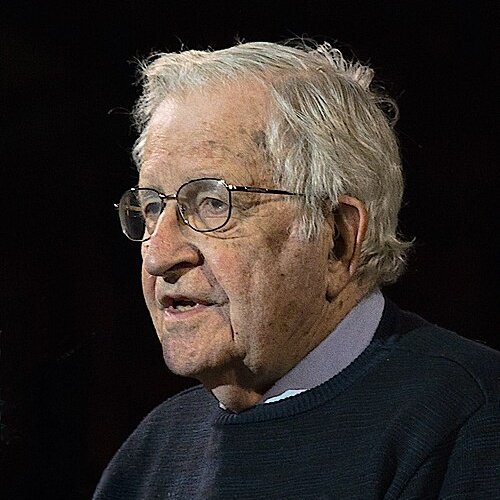
Noam Chomsky's Book Recommendations
Noam Chomsky, born December 7, 1928, is an influential American linguist, philosopher, cognitive scientist, historian, and social critic. He revolutionized the field of linguistics with his theory of generative grammar, particularly through his seminal work, "Syntactic Structures" (1957). Chomsky's contributions extend beyond linguistics to political activism, where he is known for his critiques of U.S. foreign policy and media, encapsulated in works like "Manufacturing Consent" (1988). As a professor emeritus at MIT, his interdisciplinary approach has significantly impacted cognitive science, philosophy of language, and political thought. Chomsky remains a prolific author and speaker, continuing to shape academic and public discourses.
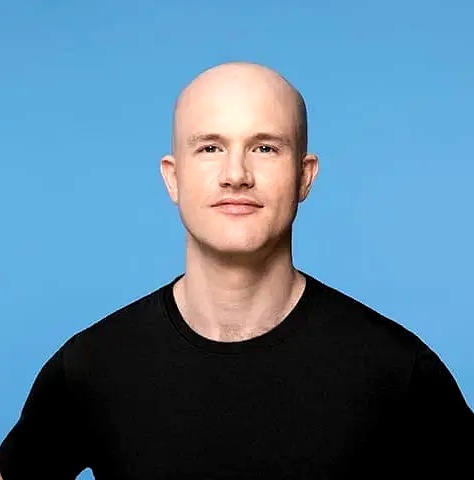
Brian Armstrong's Book Recommendations
Brian Armstrong is a renowned entrepreneur and author best known for co-founding and leading Coinbase, a major cryptocurrency exchange. His literary contributions include insightful writings on the future of digital currencies and blockchain technology. Armstrong's work has been pivotal in demystifying complex financial systems for a broader audience. Beyond his business acumen, his thought leadership in publications and public speaking engagements has cemented his status as a key voice in the fintech revolution. His dedication to innovation continues to influence the trajectory of global financial systems.
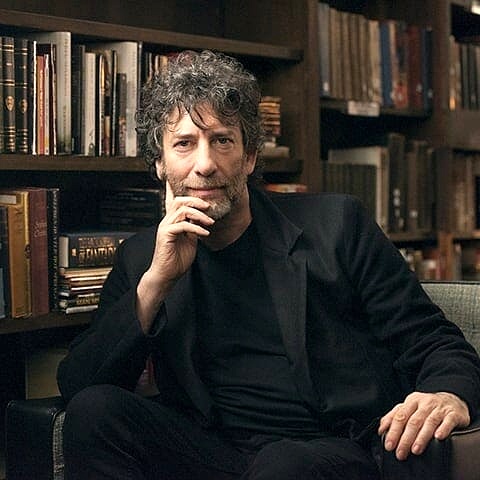
Neil Gaiman's Book Recommendations
Neil Gaiman is a bestselling British author known for his fantasy, horror, and science fiction works, including American Gods, Coraline, and The Sandman graphic novel series. His stories often blend mythology, folklore, and the supernatural, creating dark yet imaginative worlds. Gaiman’s work has been adapted into films, television shows, and radio plays, further cementing his influence in popular culture. He has won numerous awards, including the Hugo, Nebula, and Bram Stoker awards. Gaiman continues to be a beloved figure in both literature and pop culture, known for his storytelling prowess and unique voice.
Showing 8 of 14 related collections
“In the unfathomable depths of the cosmos, we find not only the scars of our past but also the whispers of our future, reminding us that the fabric of existence is woven from the threads of chaos and order.”
Worlds in Collision
By Ken Booth, T. Dunne
Frequently Asked Questions
Explore Our Catalogue
Discover a world of knowledge through our extensive collection of book summaries.
Genres
Genres
Genres
Featured Collections
- Top Book Club Picks
- One-Stop Nutrition
- Summer Reads 2024
- Best Beach Reads 2024
- Work-Life Balance Guide
- Time Management
- Healthy Foods
- Entrepreneur Toolkit
- Mind & Body Wellness
- Future Tech Insights
- Leadership Essentials
- Financial Freedom
- Sci-Fi Masterpieces
- Parenting 101
- Books That Became Blockbusters
- Guide to a Healthy Pregnancy