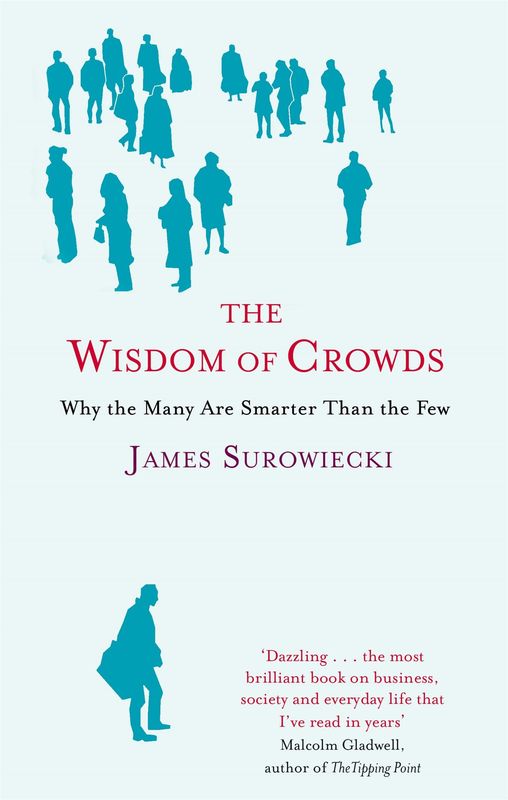

In 'The Wisdom of Crowds', James Surowiecki explores the intriguing premise that large groups of people are often wiser than their individual members. Through compelling examples ranging from markets and sports to politics and science, he illustrates how collective intelligence can lead to better decision-making. Surowiecki challenges the notion of expert knowledge, suggesting that diverse perspectives and decentralized information can yield superior outcomes. The book delves into the conditions that foster group wisdom and warns against the pitfalls of conformity and groupthink. Readers will discover how to harness the power of crowds, ultimately questioning their own assumptions about knowledge and expertise.
By James Surowiecki
Published: 2005
"The best collective decisions are the product of disagreement and contest, not consensus."
In this landmark work, NEW YORKER columnist James Surowiecki explores a seemingly counter-intuitive idea that has profound implications. Decisions taken by a large group, even if the individuals within the group aren't smart, are always better than decisions made by small numbers of 'experts'. This seemingly simply notion has endless and major ramifications for how businesses operate, how knowledge is advanced, how economies are (or should be) organised and how nation-states fare. With great erudition, Surowiecki ranges across the disciplines of psychology, economics, statistics and history to show just how this principle operates in the real world. Along the way Surowiecki asks a number of intriguing questions about a subject few of us actually understand - economics. What are prices? How does money work? Why do we have corporations? Does advertising work? His answers, rendered in a delightfully clear prose, demystify daunting prospects. As Surowiecki writes: 'The hero of this book is, in a curious sense, an idea, a hero whose story ends up shedding dramatic new light on the landscapes of business, politics and society'.
Showing 8 of 30 similar books
Ray Dalio is the founder of Bridgewater Associates, one of the largest and most successful hedge funds in the world. He is also the author of the bestselling book Principles, where he outlines his philosophy on life, leadership, and investing. Ray is renowned for his unique approach to transparency, radical truth, and thoughtful disagreement within organizations. His insights into economics and investing have made him one of the most influential figures in the financial world. Dalio continues to be a thought leader in business, economics, and philanthropy.
Kevin Rose is a notable entrepreneur and technology investor, best known for founding Digg, a pioneering social news website that significantly influenced online content sharing. Although not primarily recognized for literary contributions, Rose has impacted digital media and online culture, which are recurring themes in contemporary literature on technology. His insights and experiences have been featured in various tech journals and books, enriching discussions on innovation and digital entrepreneurship. Rose also co-hosted the popular podcast "The Random Show" with Tim Ferriss, where he shares his thoughts on technology, health, and productivity. Through his ventures and public speaking, Rose continues to inspire narratives around the digital revolution and startup culture.
Patrick Bet-David is an Iranian-American entrepreneur, author, and CEO of the media company Valuetainment. He is best known for his books "Your Next Five Moves" and "Drop Out and Get Schooled," which offer strategic insights and motivational guidance for aspiring business leaders and entrepreneurs. Bet-David's work has garnered a large following due to his practical advice and inspirational personal story, from fleeing Iran as a child to building a successful career in the United States. Through his writings and YouTube channel, he has influenced countless individuals to pursue their entrepreneurial dreams and improve their strategic thinking. His contributions to literature and media have made him a prominent thought leader in the business community.
Susan Cain is a celebrated author and speaker best known for her groundbreaking work on the power of introversion. Her debut book, "Quiet: The Power of Introverts in a World That Can't Stop Talking," became a New York Times bestseller and has been translated into over 40 languages, significantly influencing how society views introversion and extroversion. Cain's impactful TED Talk on the same subject has garnered millions of views, further cementing her influence. She co-founded the Quiet Revolution, an initiative aimed at empowering introverts in various aspects of life. Cain's insightful contributions have sparked a global conversation about the strengths and needs of introverts, reshaping workplace dynamics and educational practices.
Eric Schmidt is an American business executive, software engineer, and former CEO of Google and its parent company, Alphabet. With a PhD in computer science, Schmidt brought a wealth of technical knowledge to his leadership roles, guiding Google through its transformation from a startup to a tech giant. Schmidt joined Google in 2001 when the company was still in its early stages, and under his leadership, Google expanded its products and services, from search engines to Android, YouTube, and cloud computing. Schmidt was instrumental in shaping the company's culture, focusing on innovation, and allowing engineers the freedom to explore new ideas. After stepping down as CEO in 2011, he served as Google's executive chairman and later Alphabet's, contributing to strategic decisions and mentoring the next generation of leaders. Schmidt is also a philanthropist, focusing on technology education, sustainability, and global policy issues. His work on artificial intelligence and its impact on society continues to be influential.
Mark Zuckerberg is an American technology entrepreneur best known for co-founding Facebook, the world's largest social media platform, which transformed global communication. Born on May 14, 1984, in White Plains, New York, he launched Facebook in 2004 while attending Harvard University. Under his leadership, Facebook expanded rapidly, influencing the social media landscape and digital advertising. Zuckerberg has also authored numerous articles and essays on technology, innovation, and the future of the internet. His work has had a profound impact on how people connect and share information in the digital age.
“The best collective decisions are the product of disagreement and contest, not consensus.”
The Wisdom of Crowds
By James Surowiecki
Discover a world of knowledge through our extensive collection of book summaries.
James Surowiecki is an acclaimed American author and financial journalist best known for his work in The New Yorker, where he writes the "Financial Page". He is the author of the influential books 'The Wisdom of Crowds,' which explores the collective intelligence of groups in making decisions, and 'The Brilliance of Boredom,' examining the creative potential of boredom in our increasingly distracted world. Surowiecki's writing is characterized by its clarity, insightful analysis, and ability to bridge complex economic concepts to everyday life, making him a respected voice in contemporary discussions on economics and social science.
Key information about the book.
 Buy on Amazon
 Buy via BookShop
Support local bookstores: BookShop gives a portion of each sale to independent bookshops!
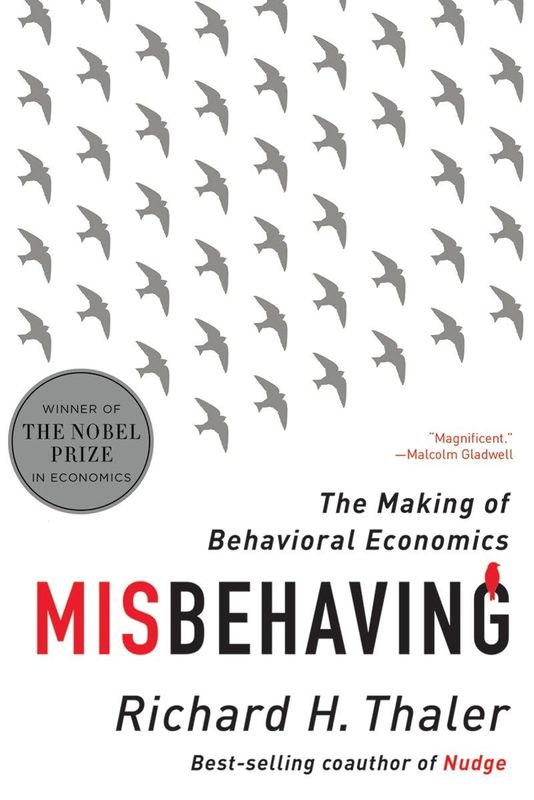
In "Misbehaving: The Making of Behavioral Economics," Nobel laureate Richard Thaler takes readers on a riveting journey through the evolution of behavioral economics, a field that challenges traditional economic theories. Thaler candidly shares his experiences and groundbreaking experiments that reveal how human behavior often defies rational expectations, leading to surprising choices in everyday life. With a blend of humor and keen insight, he highlights the quirks and biases that influence decision-making, reshaping our understanding of markets and policies. This enlightening narrative not only unveils the complexities of human behavior but also emphasizes the importance of incorporating psychology into economic thinking. Dive into a world where misbehavior leads to profound revelations about the way we live, work, and decide!
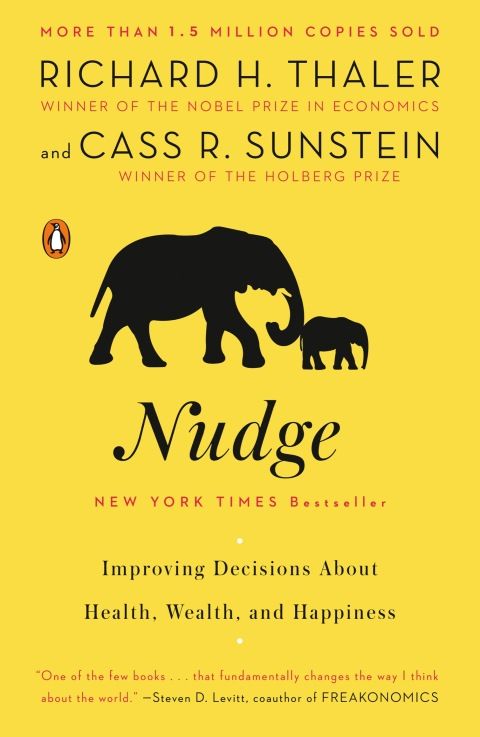
In "Nudge," behavioral economists Richard Thaler and Cass Sunstein unveil the subtle art of influencing choices and shaping outcomes without restricting freedom. They explore how small, seemingly insignificant changes in the way options are presented can lead to drastically improved decisions in health, finance, and overall happiness. With compelling real-world examples and engaging insights, the authors demonstrate how understanding human psychology can empower individuals and policymakers alike. Dive into a world where choice architecture transforms lives and reshapes society's approach to welfare. Discover the hidden nudges that could change everything about the way we choose!
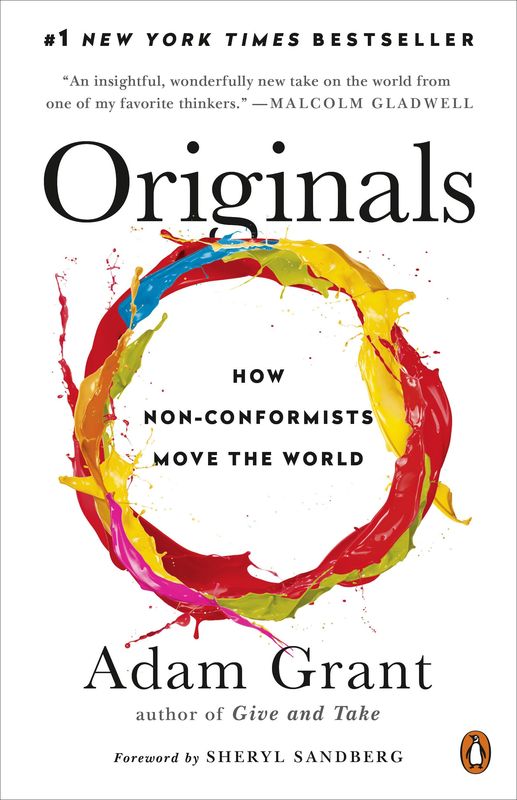
In 'Originals', Adam Grant explores the traits and habits of those who dare to challenge the status quo. He delves into the psychology behind innovation, revealing how creative thinkers cultivate ideas that can reshape industries. The book is packed with research-backed insights and compelling stories of nonconformists who made a difference. Grant's engaging narrative encourages readers to embrace their originality and take calculated risks. Will you be inspired to unleash your inner original and change the world?
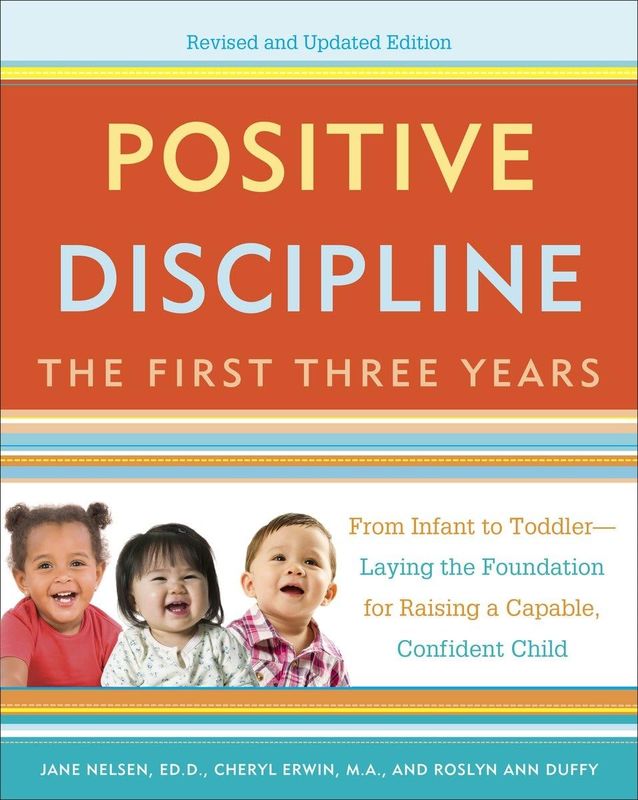
In "Positive Discipline: The First Three Years," authors Jane Nelsen and Cheryl Erwin unveil a revolutionary approach to parenting that fosters cooperation, empathy, and discipline in the formative early years. The book blends modern psychology with timeless principles to provide practical strategies for handling common toddler challenges without resorting to punishment. With engaging anecdotes and actionable advice, it empowers parents to build strong, respectful relationships with their little ones. Discover how positive reinforcement can transform your child's behavior and cultivate a nurturing environment. Dive in to unlock the secrets of compassionate parenting that will set the stage for lifelong success!
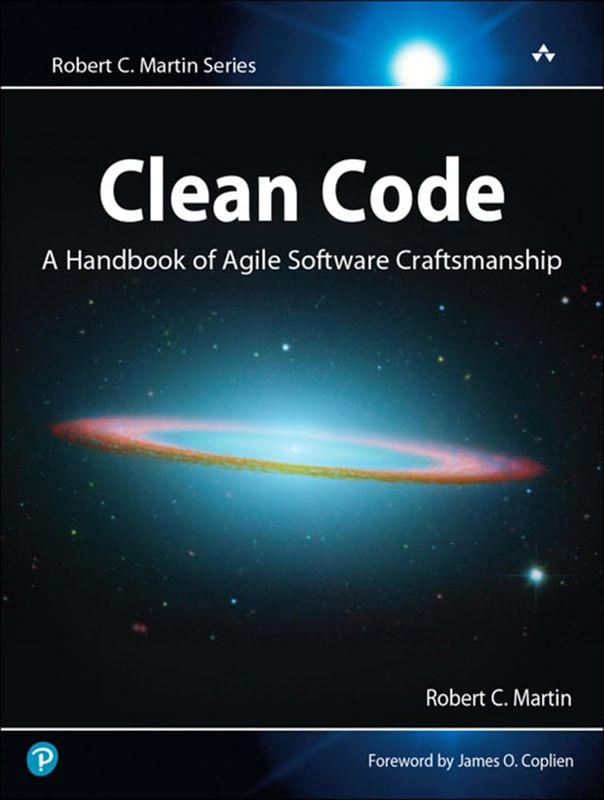
Clean Code: A Handbook of Agile Software Craftsmanship by Robert C. Martin is a masterclass in writing quality code that stands the test of time. Through a series of practical examples and principles, Martin reveals the art of developing clean, readable, and maintainable code, while emphasizing the moral responsibility of programmers. He challenges readers to confront their coding habits and provides actionable insights to elevate their skills. With an exploration of key concepts like refactoring, testing, and the importance of simplicity, this book becomes an essential guide for anyone who writes software. Dive in and discover how clean code not only enhances productivity but also fosters a culture of excellence in software development!

In "The Gardener and the Carpenter," Alison Gopnik challenges conventional parenting wisdom, illustrating the delicate balance between nurturing and shaping a child's growth. Through captivating analogies and rich research, she explores how different approaches to parenting can cultivate resilience and creativity. The book unveils the transformative power of play, emphasizing that children are not merely projects to be perfected. Instead, they are wildflowers, meant to flourish and evolve in their unique ways. With each turn of the page, readers are invited to reconsider what it truly means to guide the next generation.
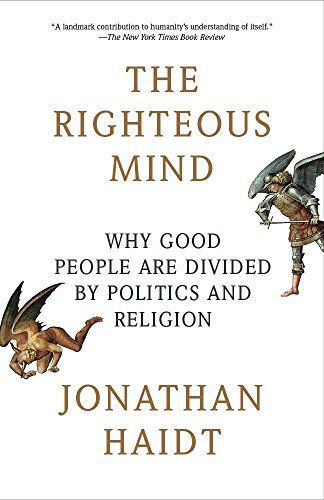
In 'The Righteous Mind', Jonathan Haidt explores the intricacies of human morality and its impact on political divisions. He argues that our sense of right and wrong is shaped more by intuition than by reason, leading to deep-seated clashes between differing moral perspectives. Using insights from psychology, sociology, and anthropology, Haidt delves into the reasons why people hold vastly opposing views despite sharing the same facts. The book encourages readers to understand, rather than vilify, opposing beliefs, making it a compelling read for anyone seeking to navigate the complexities of modern discourse. It challenges us to reconsider our moral frameworks and opens the door to greater empathy in an increasingly polarized world.
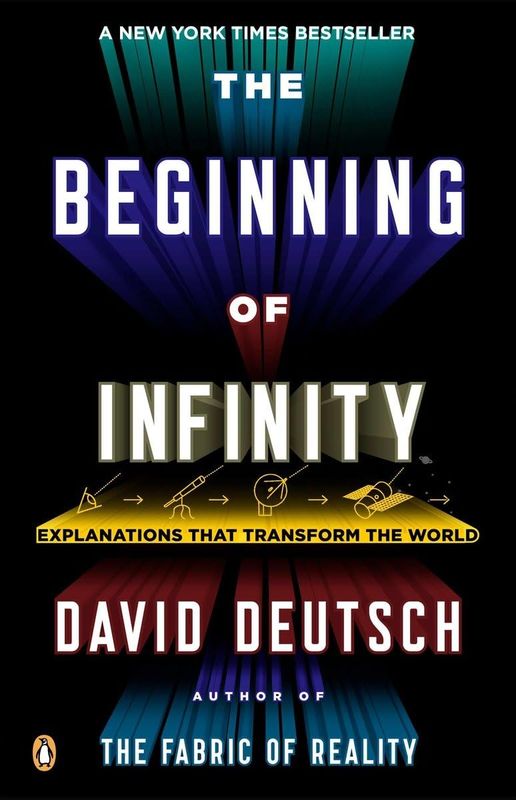
In 'The Beginning of Infinity', David Deutsch challenges our understanding of knowledge and the universe, proposing that all problems are solvable with the right approach. He delves into the philosophy of science, technology, and human progress, suggesting that the pursuit of knowledge is a never-ending journey. Deutsch argues that explanations, rather than mere observations, are the key to comprehending reality. With provocative insights, he explores the implications of infinite possibilities and the potential of human creativity. This thought-provoking read ignites curiosity about the boundless nature of discovery and the future of humanity.






Download our mobile app to enjoy your favorite books on the go. Get access to exclusive features, offline listening, and personalized recommendations.